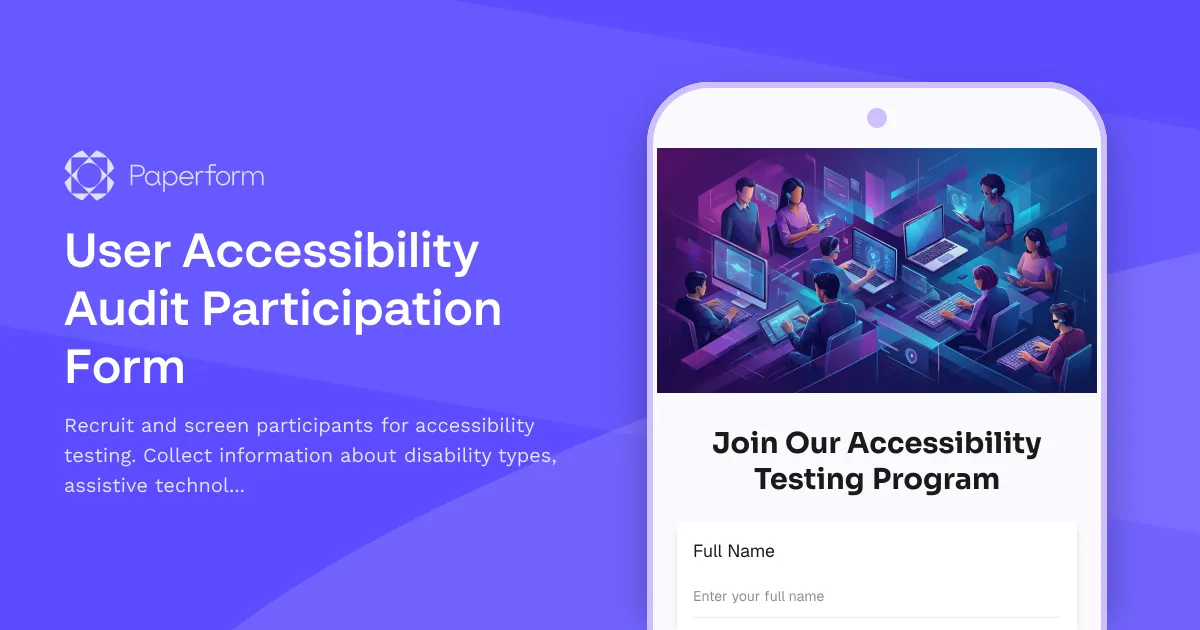
Building an accessible product isn't optional—it's essential. Whether you're a SaaS startup or an established software company, understanding how people with disabilities interact with your product is critical to creating an inclusive user experience.
This User Accessibility Audit Participation Form helps you recruit qualified participants for accessibility testing and usability audits. By collecting detailed information about disability types, assistive technologies, device preferences, and testing availability, you can ensure your product works seamlessly for everyone.
Why accessibility testing matters for SaaS companies
Accessibility isn't just about compliance with WCAG or ADA standards—it's about expanding your market reach, improving overall usability, and building a product people genuinely love to use. Research shows that accessible products often provide better experiences for all users, not just those with disabilities.
This form streamlines your participant recruitment process by:
- Capturing relevant disability and assistive technology information so you can match participants with appropriate testing scenarios
- Understanding user technical expertise to design appropriate testing sessions
- Collecting availability windows to efficiently schedule testing sessions
- Gathering consent and compensation preferences upfront to move quickly once participants are selected
Perfect for product teams building inclusively
Whether you're conducting your first accessibility audit or running ongoing usability testing, this template helps you build a diverse testing panel. Product managers, UX researchers, and engineering teams can use this form to:
- Recruit participants for specific feature testing
- Build an ongoing panel of accessibility testers
- Gather feedback on bug fixes and improvements
- Validate WCAG compliance through real user testing
Streamline your workflow with Paperform + Stepper
Once participants submit their information, you can use Stepper to automatically route qualified candidates to your scheduling system, send confirmation emails, notify your research team, and keep participant information organised in your CRM or project management tool—all without manual data entry.
Paperform's conditional logic ensures participants only see relevant questions based on their responses, creating a respectful and efficient experience. With built-in payment capabilities, you can also handle participant compensation directly through the form.
Building accessible software is an ongoing commitment, and it starts with listening to the people who rely on accessible design every day. This form helps you make that connection professionally and efficiently.



More templates like this
Aircraft Maintenance Software User Research Form
A comprehensive user research form designed to gather insights from aircraft maintenance technicians about their current workflows, pain points, and feature requirements for maintenance tracking software.

Cryptocurrency Exchange User Experience Study
A comprehensive user research survey designed to understand trader needs, priorities, and preferences for cryptocurrency exchange platforms, covering trading features, security measures, educational resources, and fee structures.
Event Registration Platform Organizer Experience Study
Comprehensive UX research form to understand event organizers' experiences with registration platforms, attendee management workflows, check-in processes, and reporting features.

Food Delivery App Feature Survey
Gather consumer insights on food delivery app features, restaurant discovery preferences, ordering flow usability, loyalty programs, and delivery expectations to guide product development.
Legal Case Management Software Attorney Workflow Research
A comprehensive UX research form designed to understand attorney workflows, time tracking practices, document organization systems, and client communication patterns for legal case management software optimization.
Banking App Security Features Perception Study
Evaluate user trust in banking app security features, authentication preferences, and feature usage patterns to inform UX and security design decisions.
Beta Program Accessibility Audit Form
A comprehensive accessibility evaluation form for beta testers to assess digital products using POUR principles, keyboard navigation, and screen reader compatibility testing.
Beta Program Accessibility Testing Recruitment Form
Recruit beta testers with disabilities to evaluate product accessibility, WCAG compliance, and inclusive design. Gather insights on assistive technology compatibility and user experience barriers.
Beta Program User Testing Session
A comprehensive form for recruiting and scheduling moderated user testing sessions during beta programs, including screen recording consent, think-aloud protocol guidelines, and usability metric capture.
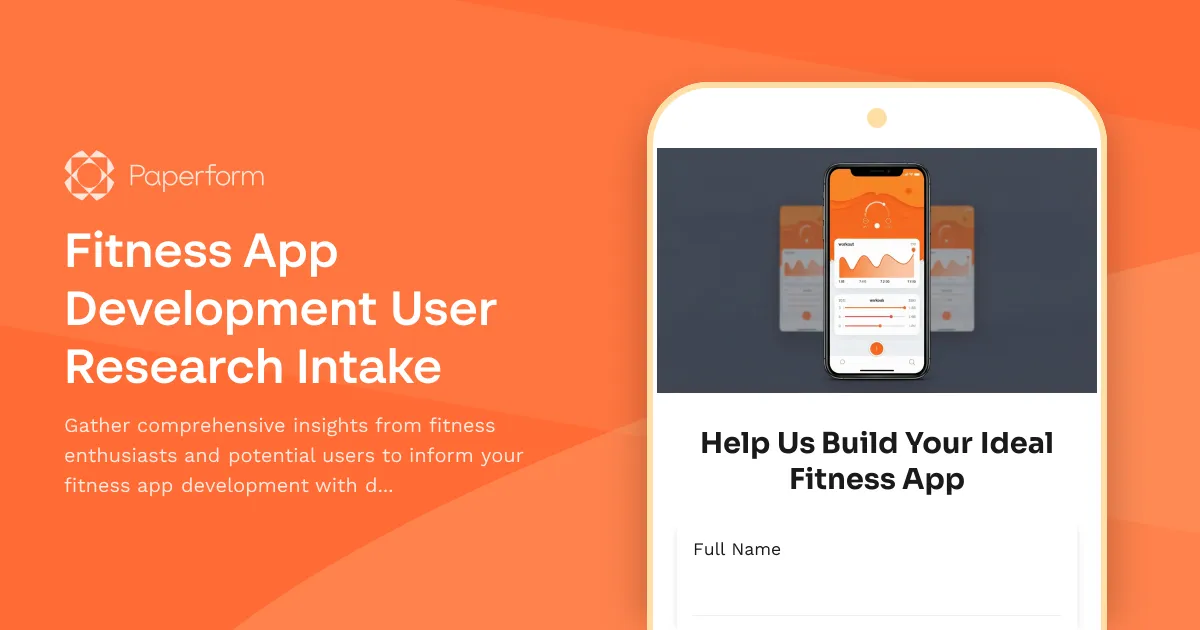
Fitness App Development User Research Intake
Gather comprehensive insights from fitness enthusiasts and potential users to inform your fitness app development with data on pain points, feature preferences, competitor analysis, and beta testing interest.
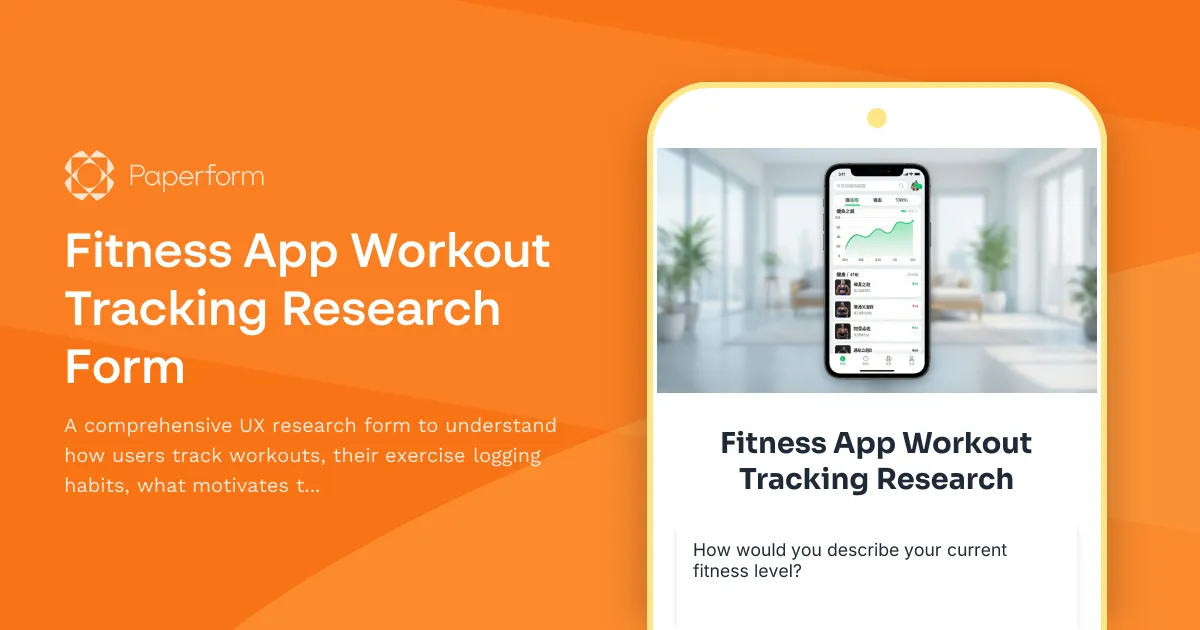
Fitness App Workout Tracking Research Form
A comprehensive UX research form to understand how users track workouts, their exercise logging habits, what motivates them, and how they prefer to visualize their fitness progress.
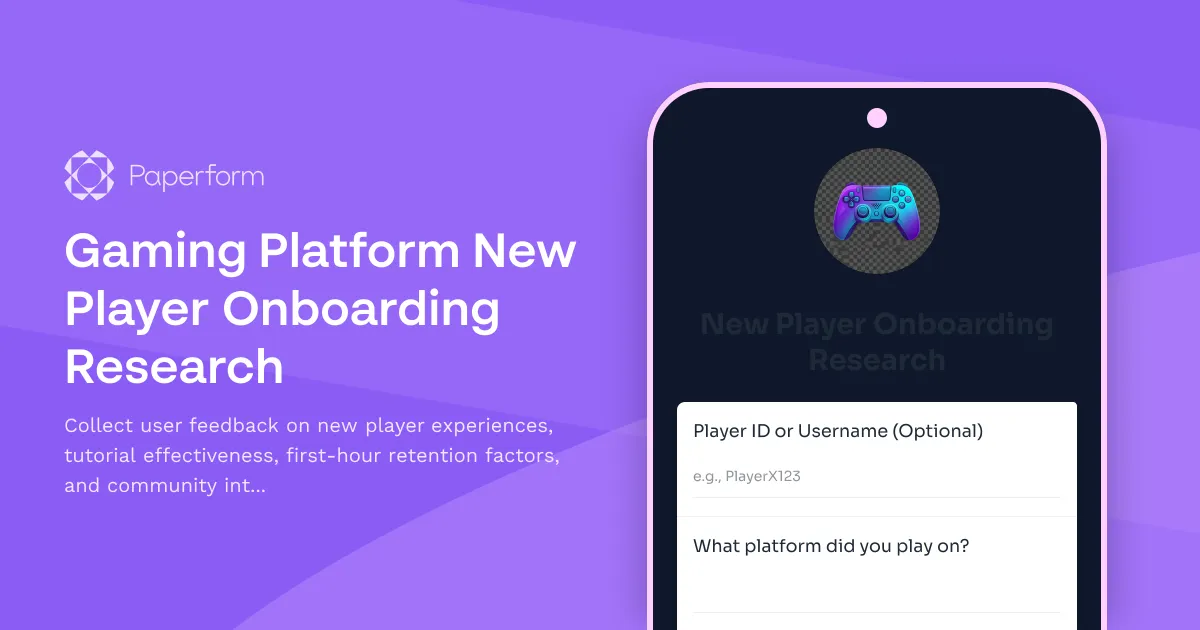
Gaming Platform New Player Onboarding Research
Collect user feedback on new player experiences, tutorial effectiveness, first-hour retention factors, and community integration to optimize your gaming platform's onboarding journey.