
When a security incident affects personal data processing operations, GDPR requires thorough documentation, analysis, and remediation. This GDPR Data Processor Security Incident Post-Mortem Form provides a structured framework for conducting comprehensive root cause analysis, documenting lessons learned, and establishing concrete prevention measures to strengthen your data protection posture.
Why Post-Incident Analysis Matters Under GDPR
Articles 33 and 34 of the GDPR mandate that data controllers and processors report certain types of personal data breaches to supervisory authorities and affected individuals within 72 hours. But compliance doesn't end with notification—organisations must demonstrate accountability by conducting thorough post-incident reviews that examine what went wrong, why it happened, and how similar incidents can be prevented.
A structured post-mortem process helps organisations meet their obligations under Article 5 (accountability principle), Article 24 (controller responsibility), and Article 32 (security of processing). It also provides critical documentation for demonstrating compliance during audits and regulatory investigations.
Complete Incident Documentation and Analysis
This template guides your security, compliance, and IT teams through every stage of post-incident analysis. It captures essential details about the incident timeline, affected systems and data categories, initial response actions, and the scope of impact on data subjects.
The form includes sections for detailed root cause analysis using established frameworks, identification of contributing factors, assessment of existing controls that failed or succeeded, and comprehensive documentation of all remediation steps taken. This systematic approach ensures nothing is overlooked and creates a valuable record for future reference.
Built for Data Protection Officers and Security Teams
Whether you're a Data Protection Officer (DPO), Chief Information Security Officer (CISO), security analyst, compliance manager, or IT professional responsible for incident response, this form provides the structure you need to conduct thorough post-mortems that satisfy both technical and regulatory requirements.
The template is designed for organisations of all sizes that process personal data—from SaaS companies and cloud service providers to healthcare organisations, financial institutions, e-commerce platforms, and professional services firms operating under GDPR jurisdiction.
Streamline Your Incident Response Workflow with Paperform
Paperform makes it easy to capture detailed incident analysis in a clear, organised format. The document-style editor lets you add custom sections, embed incident diagrams or screenshots, and adjust questions to match your specific incident response framework—whether you follow NIST, ISO 27001, or your own internal procedures.
With conditional logic, you can tailor the form based on incident severity, data categories affected, or whether notification to supervisory authorities was required. This ensures teams complete only the relevant sections while maintaining comprehensive documentation standards.
Stepper workflow automation (stepper.io) can transform your post-mortem process by automatically routing completed analyses to the appropriate stakeholders—notifying your legal team, updating your incident register, creating follow-up tasks in project management tools, and ensuring remediation actions are tracked through completion. You can even trigger automatic updates to your risk register or compliance management system.
Secure, Compliant Incident Documentation
Security incident data is highly sensitive, and Paperform provides the protection it deserves. With SOC 2 Type II compliance, encrypted data transmission and storage, role-based access controls, and detailed audit trails, you can document incidents securely while maintaining appropriate confidentiality.
The platform supports data residency controls for EU-based storage, helping you comply with data localisation requirements. SSO integration ensures only authorised personnel can access incident reports, while customisable permissions let you control who can view, edit, or export sensitive post-mortem documentation.
From Incident to Improvement
Every security incident is an opportunity to strengthen your data protection program. This post-mortem form helps you extract maximum value from each incident by systematically identifying weaknesses, documenting improvements, and tracking the effectiveness of prevention measures over time.
The structured format makes it easy to identify patterns across multiple incidents, demonstrate continuous improvement to auditors and supervisory authorities, and build a culture of accountability and learning within your organisation.
Start documenting your security incidents with the professionalism and thoroughness that GDPR demands. Paperform's GDPR Data Processor Security Incident Post-Mortem Form template gives you the framework to turn incidents into insights and compliance obligations into competitive advantages.



More templates like this
Data Mapping Exercise Documentation Form
A comprehensive form for documenting personal data processing activities and data flows across systems to maintain Article 30 GDPR Records of Processing Activities (RoPA) compliance.
GDPR Data Breach Assessment Form
Structured assessment form to evaluate data breaches and determine if notification to supervisory authority is required under GDPR Article 33 within 72 hours.
Data Processing Impact Assessment for Cloud Services
A comprehensive GDPR-compliant questionnaire for assessing data processing activities, security risks, and privacy implications when adopting cloud services within the EU.
GDPR Data Breach Notification Form
A compliant template for notifying data subjects of personal data breaches under GDPR Article 34, documenting the incident, potential consequences, and remediation measures taken by your organization.
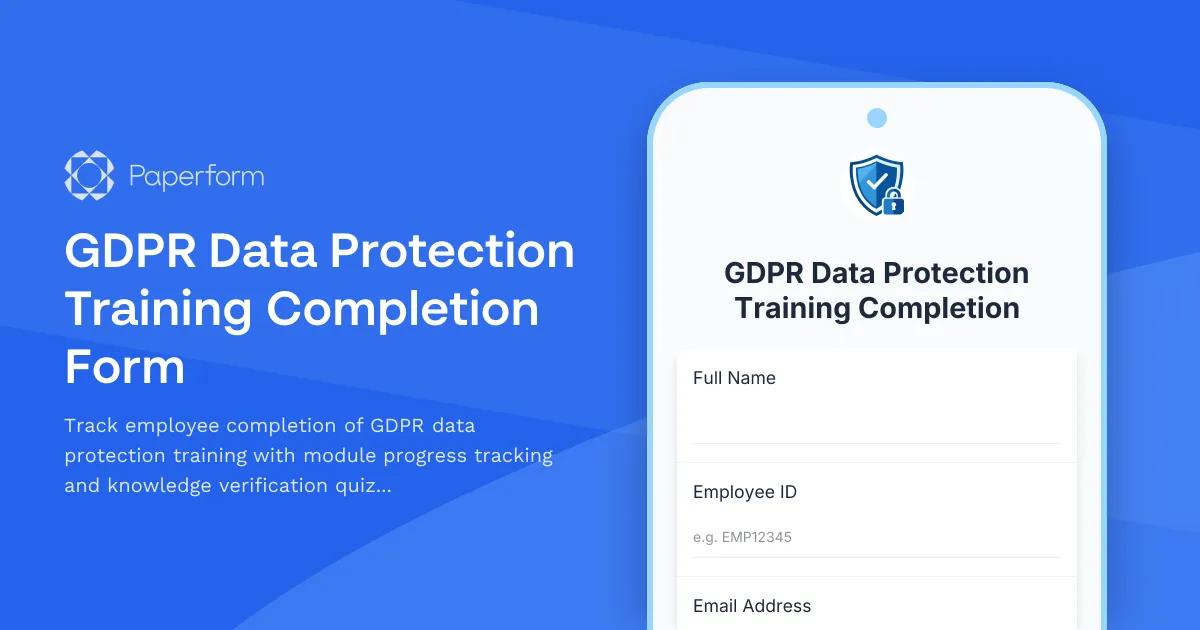
GDPR Data Protection Training Completion Form
Track employee completion of GDPR data protection training with module progress tracking and knowledge verification quiz to ensure staff understand their compliance obligations.
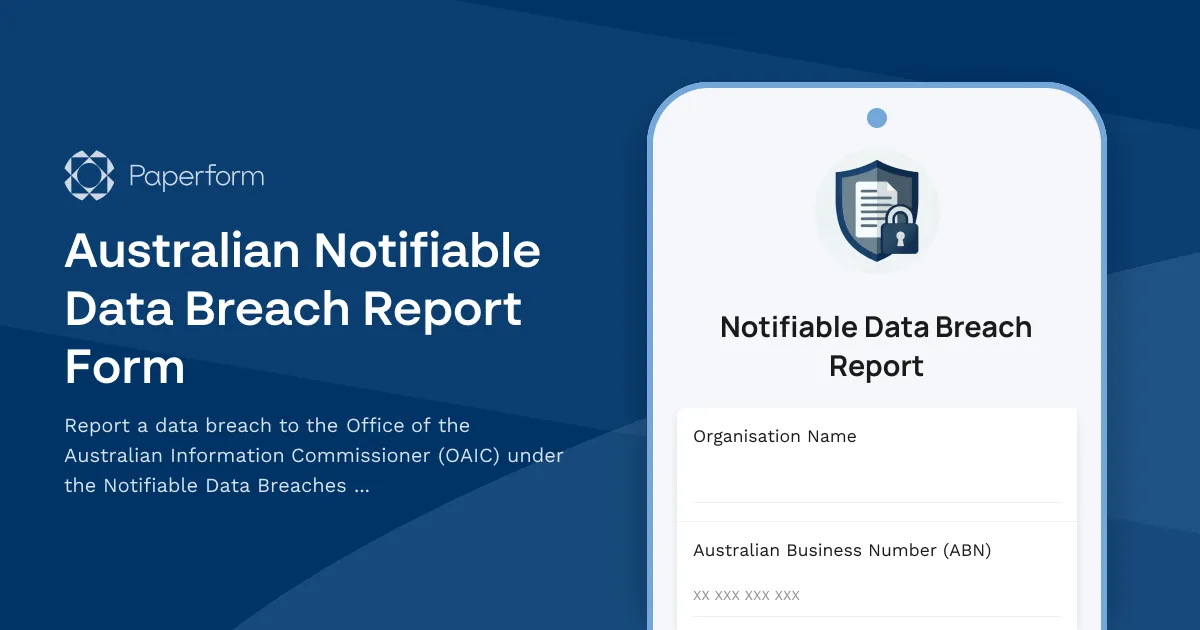
Australian Notifiable Data Breach Report Form
Report a data breach to the Office of the Australian Information Commissioner (OAIC) under the Notifiable Data Breaches (NDB) scheme. Capture breach details, affected individuals, risk assessment, and remediation steps in one comprehensive form.

Customer Journey Consent Mapping Form
A privacy-first form to map, document, and audit consent touchpoints across your customer journey, ensuring GDPR compliance at every stage of the customer lifecycle.

Cybersecurity Services Data & Network Access Consent Form
Obtain client consent for managed cybersecurity services including network vulnerability scans, security monitoring, employee training tracking, and threat intelligence sharing.
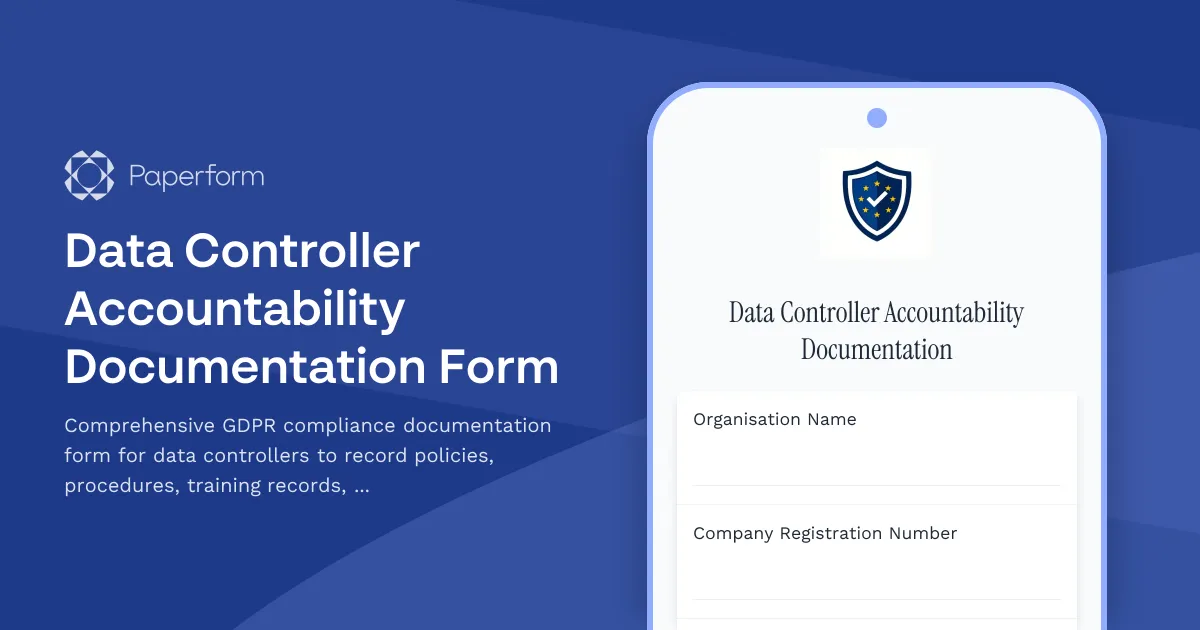
Data Controller Accountability Documentation Form
Comprehensive GDPR compliance documentation form for data controllers to record policies, procedures, training records, and audit results demonstrating accountability under EU data protection law.
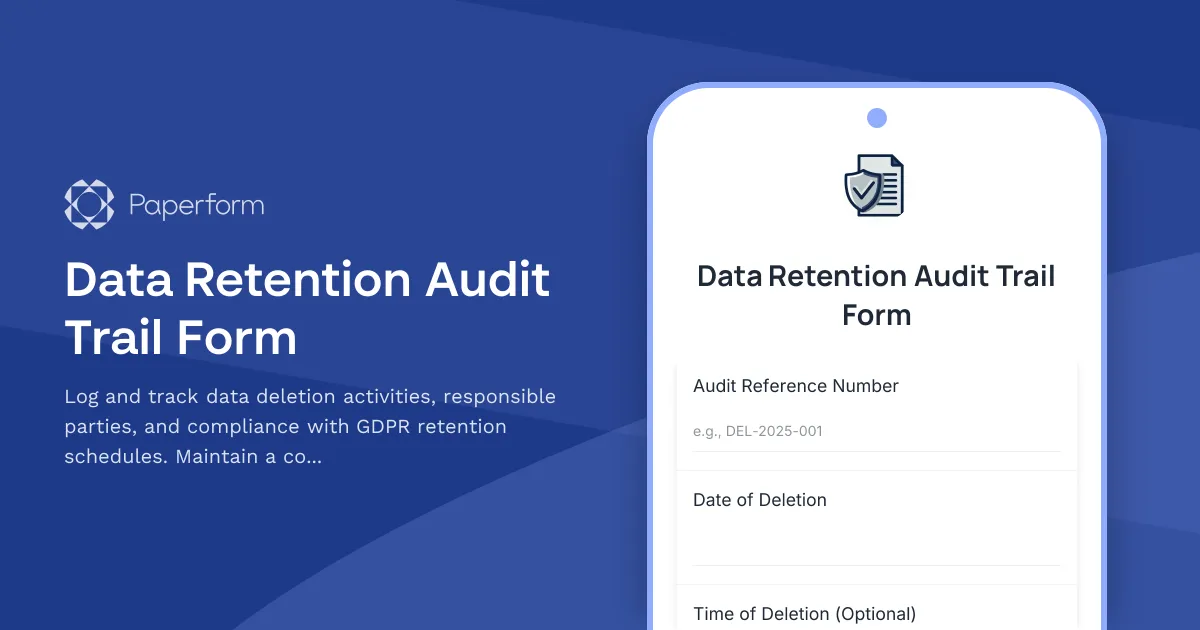
Data Retention Audit Trail Form
Log and track data deletion activities, responsible parties, and compliance with GDPR retention schedules. Maintain a comprehensive audit trail for regulatory oversight and internal accountability.
Datatilsynet GDPR Compliance Audit Checklist
A comprehensive GDPR compliance audit checklist for Norwegian organizations to assess data processing activities, lawfulness, and documentation completeness in accordance with Datatilsynet requirements.
Finnish GDPR Data Processing Agreement
A comprehensive GDPR-compliant data processing agreement template for Finnish businesses to establish controller-processor relationships and document lawful basis for personal data processing.