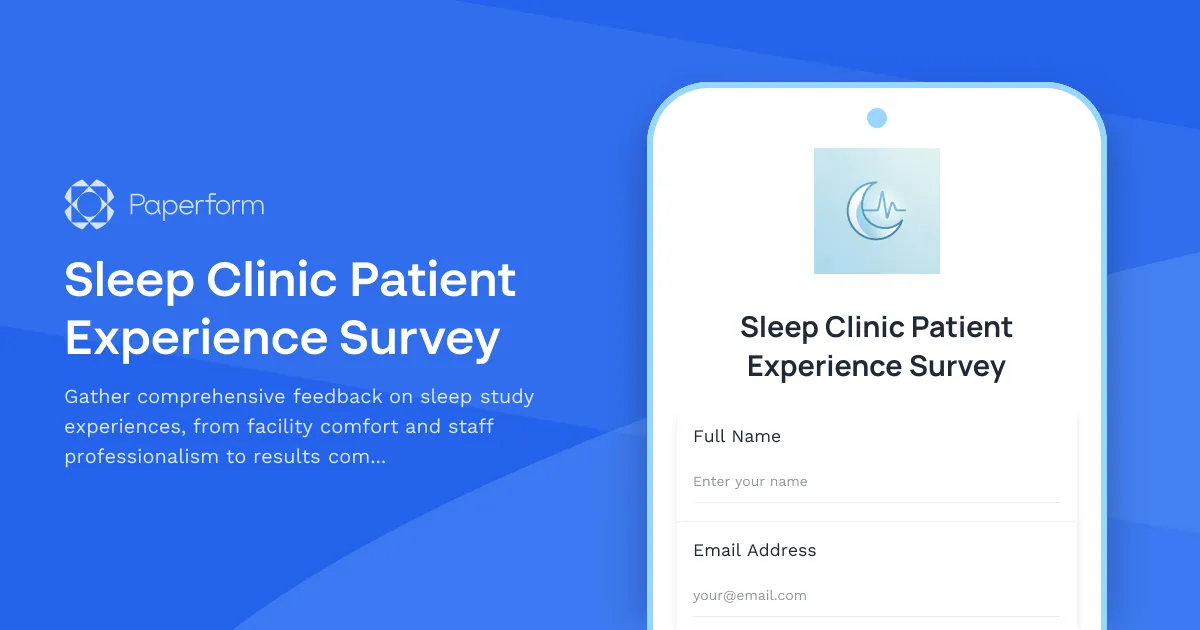
Improve Your Sleep Clinic with Patient Feedback
Understanding your patients' experience is essential for delivering quality sleep care. This Sleep Clinic Patient Experience Survey template helps sleep centers, pulmonology practices, and sleep disorder clinics collect detailed feedback about every aspect of the patient journey—from initial sleep studies to equipment training and follow-up care.
Healthcare providers know that sleep studies can feel clinical and uncomfortable. This template helps you measure what matters most: sleep study room comfort, technician professionalism, equipment setup, results explanation clarity, and the quality of CPAP or BiPAP training. By systematically collecting this feedback, you can identify areas for improvement and celebrate what your team does well.
Why Paperform for Healthcare Surveys?
Paperform makes it simple to create professional, GDPR-compliant surveys that match your clinic's branding. The doc-style editor lets you add your logo, use your brand colors, and create a welcoming survey experience that encourages honest feedback. With conditional logic, you can ask follow-up questions based on specific responses—like requesting more details when a patient rates something poorly.
Automate your feedback workflow with Stepper: Once a survey is submitted, use Stepper to automatically route negative feedback to your quality improvement team, log responses in your CRM or project management tool, and trigger follow-up emails for patients who need additional support. This ensures no feedback falls through the cracks and your team can respond quickly to concerns.
Perfect For
This template is ideal for sleep medicine specialists, sleep lab managers, respiratory therapists, pulmonologists, and healthcare administrators managing outpatient sleep centers. Whether you're a standalone sleep clinic or part of a larger hospital system, gathering structured patient feedback helps you maintain high standards of care, improve patient satisfaction scores, and meet quality improvement requirements.
Start collecting actionable feedback today and turn patient insights into better sleep care experiences.

More templates like this
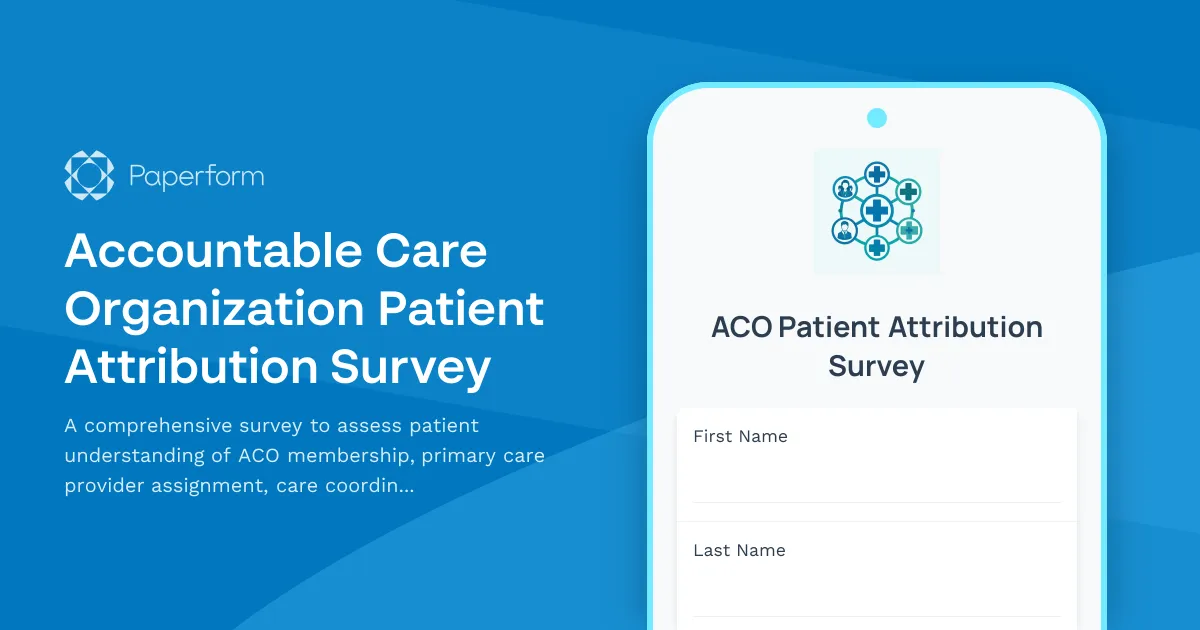
Accountable Care Organization Patient Attribution Survey
A comprehensive survey to assess patient understanding of ACO membership, primary care provider assignment, care coordination processes, and quality metrics for improved healthcare delivery.
Allergy and Immunology Clinic Patient Feedback Survey
Gather patient feedback on allergy testing, treatment effectiveness, and care quality at your immunology clinic to improve services and patient outcomes.

Clinical Research Study Participant Satisfaction Survey
Gather valuable feedback from clinical trial participants on their experience with study protocols, informed consent processes, adverse event reporting, and trial coordinator communication to improve research quality and participant care.
Fertility Clinic Patient Experience Survey
Comprehensive patient satisfaction survey designed for fertility clinics to gather feedback on IVF cycle support, emotional counseling, success rate transparency, and financial guidance.
Gastroenterology Procedure Satisfaction Survey
Gather patient feedback on colonoscopy and endoscopy procedures, including preparation clarity, sedation comfort, procedure experience, and follow-up care quality.
Healthcare Patient Safety Event Disclosure Survey
A comprehensive survey to assess patient and family experiences following disclosure of a safety event, measuring transparency, apology authenticity, corrective actions, and emotional support provided by healthcare teams.
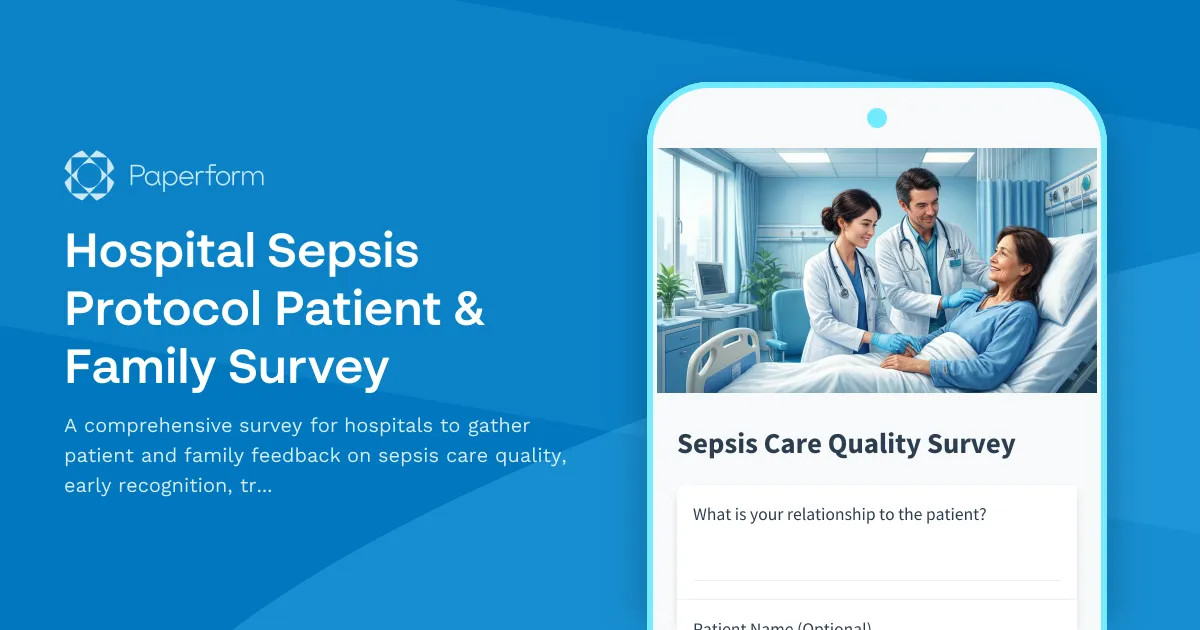
Hospital Sepsis Protocol Patient & Family Survey
A comprehensive survey for hospitals to gather patient and family feedback on sepsis care quality, early recognition, treatment timeliness, and recovery support while educating respondents on sepsis warning signs.
Ketamine Therapy Patient Satisfaction Survey
A comprehensive survey for ketamine therapy clinics to measure patient satisfaction with treatment protocols, clinical support, integration therapy, and track symptom improvements throughout the therapeutic journey.
Mobile Health Clinic Community Patient Survey
Gather comprehensive feedback from mobile health clinic patients on service accessibility, multilingual support, health screening quality, and referral coordination to improve community healthcare delivery.
Pulmonology Practice Patient Satisfaction Survey
A comprehensive patient satisfaction survey for pulmonology practices to gather feedback on breathing tests, asthma management, oxygen therapy instruction, medication effectiveness, and overall care quality.
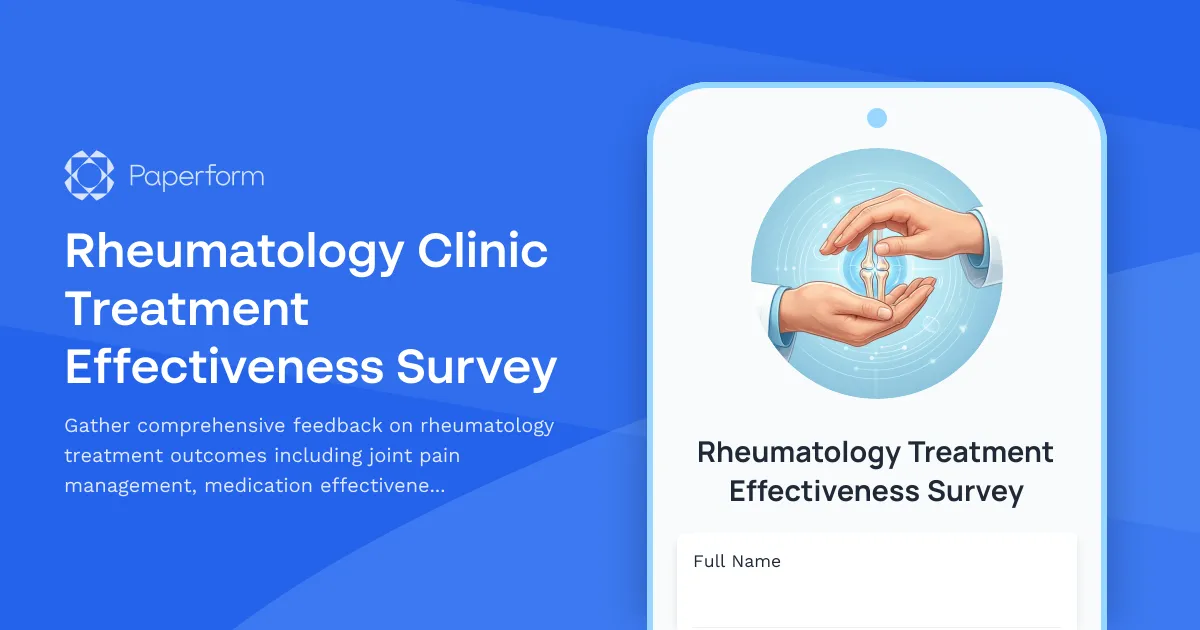
Rheumatology Clinic Treatment Effectiveness Survey
Gather comprehensive feedback on rheumatology treatment outcomes including joint pain management, medication effectiveness, therapy coordination, and disease progression for improved patient care.
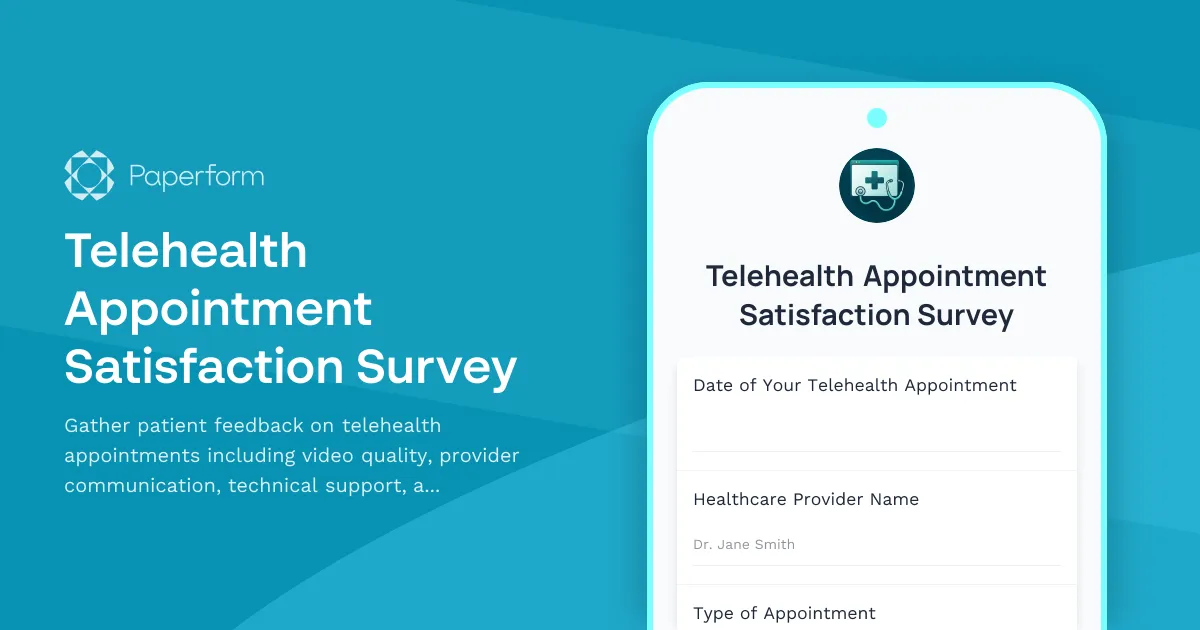
Telehealth Appointment Satisfaction Survey
Gather patient feedback on telehealth appointments including video quality, provider communication, technical support, and preferences compared to in-person visits.