
Professional Addiction Counselor Performance Appraisal Form
Effective performance reviews are critical in addiction treatment settings where counselor expertise directly impacts client recovery outcomes. This Addiction Counselor Performance Appraisal Form provides healthcare administrators, clinical supervisors, and behavioral health directors with a structured framework to evaluate counselor performance across the competencies that matter most: client outcomes, treatment plan effectiveness, group facilitation skills, and crisis intervention abilities.
Why Performance Reviews Matter in Addiction Counseling
Addiction counseling is demanding, emotionally intensive work that requires continuous professional development. Regular, structured appraisals help:
- Recognize excellence in therapeutic techniques and client engagement
- Identify development areas before they impact client care quality
- Support career growth through evidence-based feedback
- Maintain clinical standards across your treatment facility
- Improve retention by showing counselors their contributions are valued
This template is designed specifically for behavioral health facilities, rehabilitation centers, outpatient clinics, and mental health organizations that employ addiction counselors, substance abuse specialists, and recovery support professionals.
Comprehensive Evaluation Across Critical Competencies
The form captures detailed performance data across five essential domains:
Client Outcomes & Progress: Evaluate success rates in client goal achievement, relapse prevention effectiveness, retention in treatment programs, and documentation of measurable client progress. These metrics directly reflect a counselor's therapeutic impact.
Treatment Planning Effectiveness: Assess the counselor's ability to create individualized, evidence-based treatment plans, conduct thorough assessments, adapt interventions based on client needs, and collaborate with multidisciplinary teams for holistic care.
Group Facilitation Skills: Measure competency in leading therapy groups, managing group dynamics, creating safe and supportive environments, engaging reluctant participants, and facilitating peer support processes that are central to many recovery programs.
Crisis Intervention Ability: Evaluate response time and effectiveness during client crises, de-escalation techniques, risk assessment accuracy, appropriate use of emergency protocols, and coordination with emergency services when needed.
Professional Development & Ethics: Review commitment to continuing education, adherence to ethical guidelines, cultural competency, boundary management, and collaboration with colleagues and external resources.
Built for Healthcare Professionals by Healthcare Professionals
This appraisal form uses healthcare-appropriate language and evaluation criteria that align with CADC (Certified Alcohol and Drug Counselor), LADC (Licensed Alcohol and Drug Counselor), and other professional credentialing standards. The format supports both self-evaluation and supervisor assessment, encouraging collaborative performance discussions rather than top-down critiques.
The form includes:
- Rating scales for objective performance measurement
- Open-ended feedback sections for qualitative insights
- Goal-setting components for professional development planning
- Strengths and growth areas documentation for career progression
Streamline Your Review Process with Paperform
Managing performance reviews manually through Word documents and email chains creates administrative burden and inconsistent documentation. This Paperform template centralizes your entire appraisal process:
- Consistent evaluations across all counselors and supervisors
- Automated submission tracking so no review falls through the cracks
- Secure data storage with SOC 2 Type II compliance for sensitive HR information
- Easy customization to match your facility's specific competency frameworks
- Digital signatures through Papersign for formal acknowledgment of reviews
After a counselor completes their self-assessment or a supervisor submits an evaluation, you can use Stepper to automatically route the form for multi-level approval, schedule follow-up meetings, create professional development plans, or update your HRIS system—all without manual data entry.
Supporting Career Development in Behavioral Health
Performance appraisals shouldn't feel punitive—they should support growth. This template frames evaluation as a development opportunity, helping counselors see their progress, celebrate wins, and identify clear paths for advancement. Whether you're evaluating a newly credentialed counselor or a senior clinical supervisor, the form adapts to different experience levels while maintaining consistent standards.
For behavioral health organizations committed to evidence-based practices and continuous improvement, structured performance appraisals are non-negotiable. This template gives you the foundation to conduct fair, thorough, and meaningful evaluations that improve both counselor satisfaction and client outcomes.
Get started with this Addiction Counselor Performance Appraisal template and build a culture of excellence in your treatment facility.

More templates like this
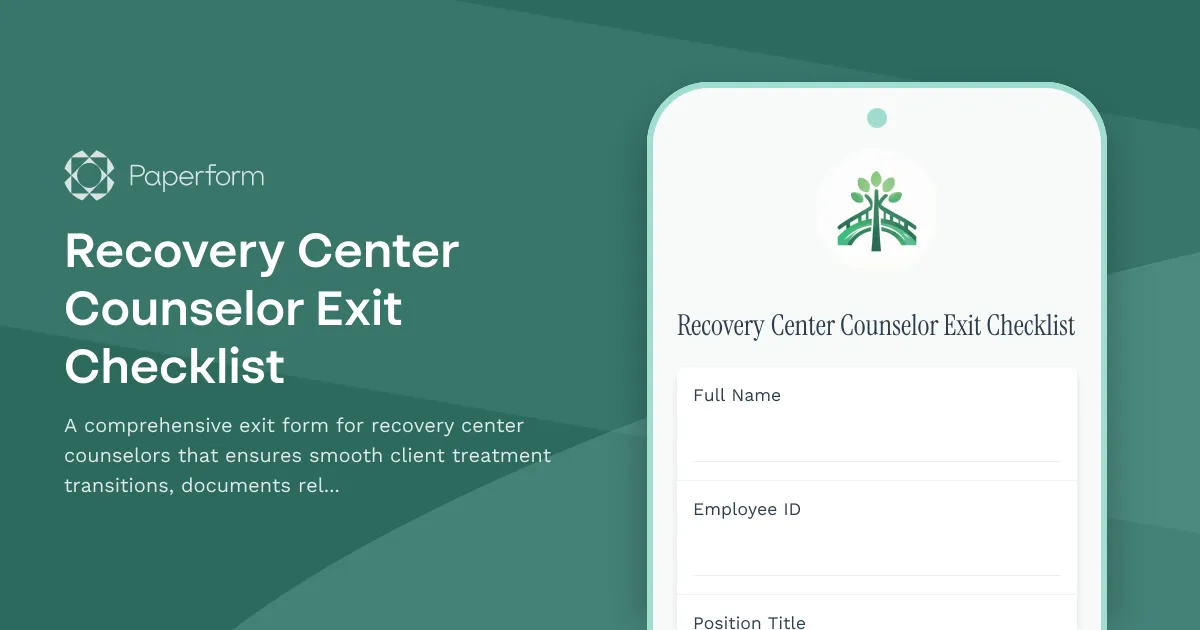
Recovery Center Counselor Exit Checklist
A comprehensive exit form for recovery center counselors that ensures smooth client treatment transitions, documents relapse prevention protocols, and captures certification and authorization details during staff offboarding.
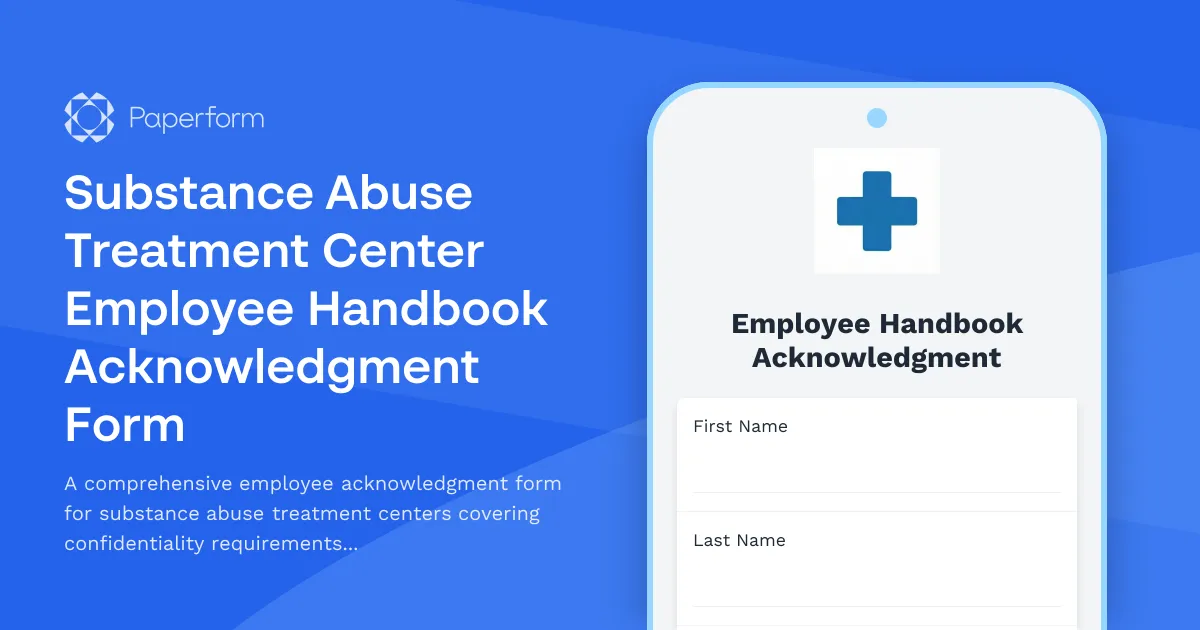
Substance Abuse Treatment Center Employee Handbook Acknowledgment Form
A comprehensive employee acknowledgment form for substance abuse treatment centers covering confidentiality requirements under 42 CFR Part 2, relapse prevention protocols, MAT policies, and discharge planning procedures.

Addiction Recovery Specialist Application Form
A comprehensive application form for hiring addiction recovery specialists with CADC credentials, crisis intervention certification, and experience in evidence-based practices and co-occurring disorders.
Addiction Treatment Intake Coordinator Compassion Award
Recognize outstanding intake coordinators who demonstrate exceptional compassion, efficiency, and resource connection in addiction treatment settings.

Certified Peer Recovery Specialist Supervision Form
A comprehensive supervision form for certified peer recovery specialists to document coaching sessions, track ethical boundaries, and maintain continuing education records for professional development and compliance.
Crisis Stabilization Unit Counselor Wellness Check
A comprehensive wellness check form designed for crisis stabilization unit counselors to assess work-related stress, burnout, and emotional wellbeing in high-pressure healthcare environments.
Mental Health Counselor Performance Appraisal
A comprehensive performance review form for evaluating mental health counselors across clinical outcomes, documentation quality, ethical practice standards, and therapeutic relationship effectiveness.
Mental Health Counselor Resignation Form
A comprehensive resignation form for mental health counselors that ensures smooth client transitions, reviews crisis protocols, documents supervision records, and manages telehealth platform access.
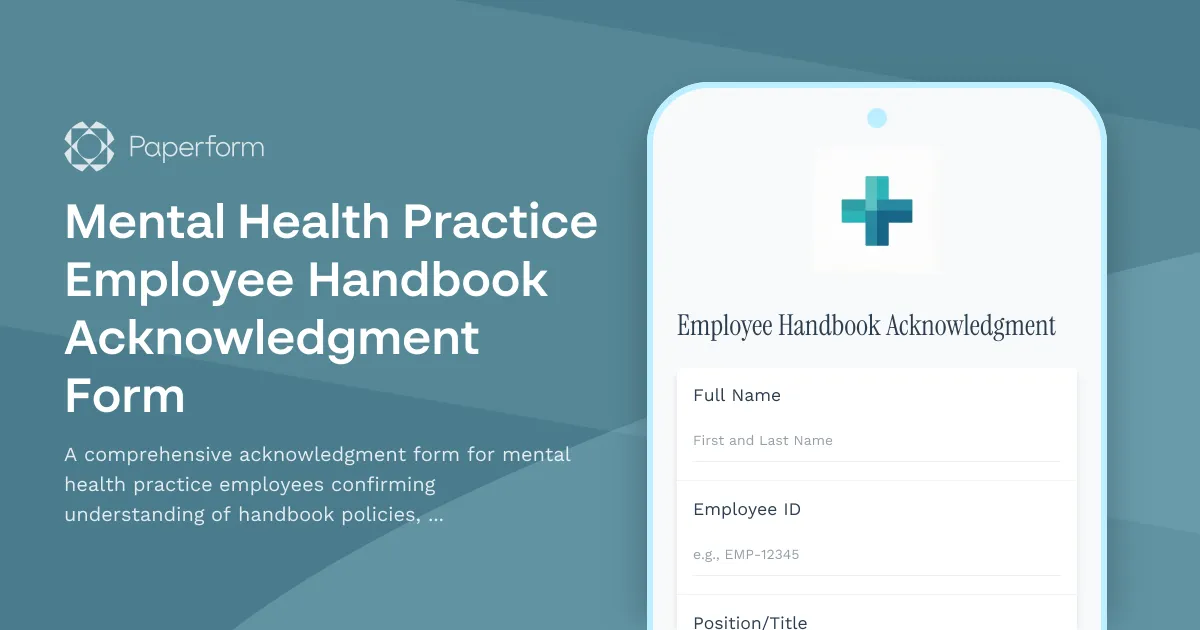
Mental Health Practice Employee Handbook Acknowledgment Form
A comprehensive acknowledgment form for mental health practice employees confirming understanding of handbook policies, mandatory reporting laws, crisis intervention protocols, telehealth guidelines, and patient boundary requirements.
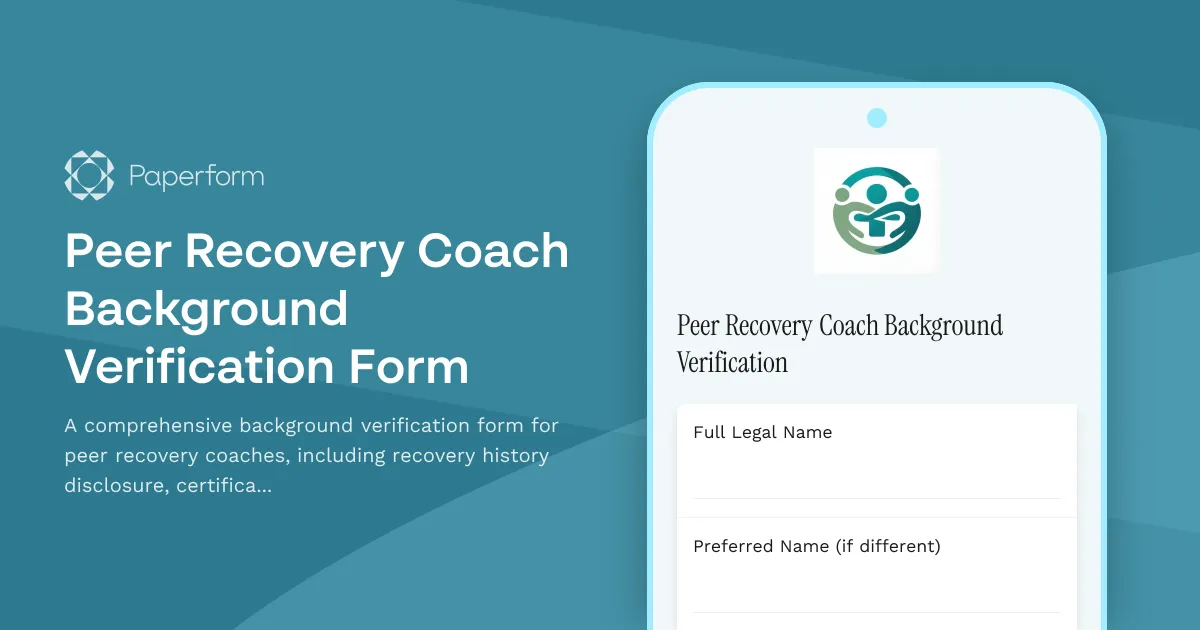
Peer Recovery Coach Background Verification Form
A comprehensive background verification form for peer recovery coaches, including recovery history disclosure, certification verification, and clinical supervision authorization.
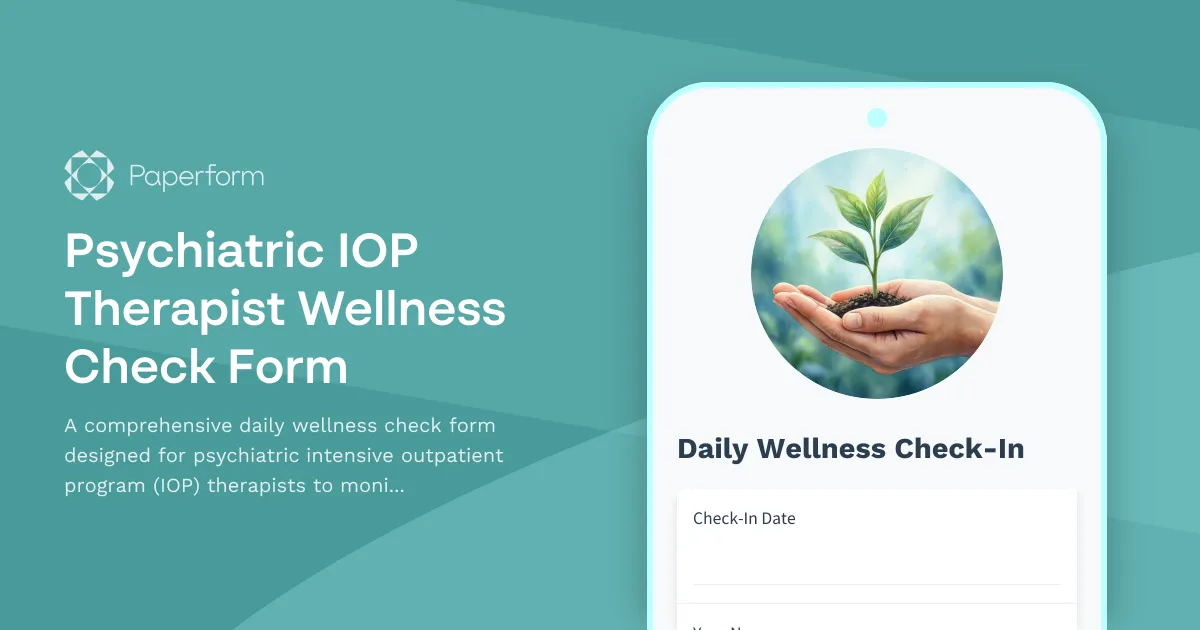
Psychiatric IOP Therapist Wellness Check Form
A comprehensive daily wellness check form designed for psychiatric intensive outpatient program (IOP) therapists to monitor group facilitation workload, assess suicide risk exposure, coordinate medication adjustments, and evaluate step-down transition stress.
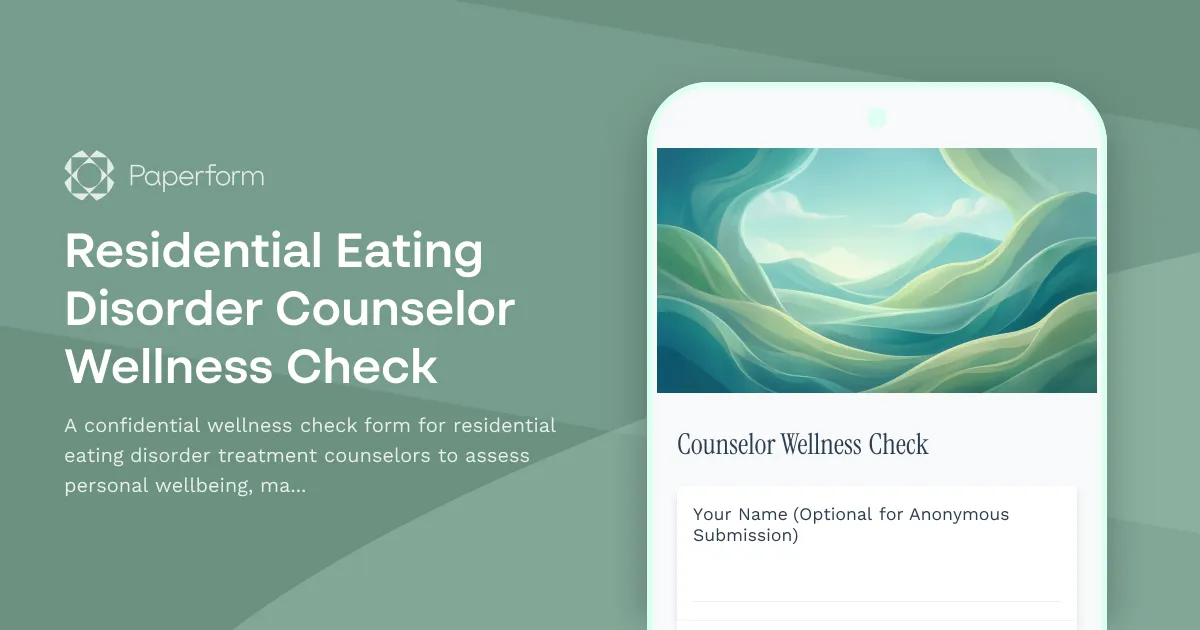
Residential Eating Disorder Counselor Wellness Check
A confidential wellness check form for residential eating disorder treatment counselors to assess personal wellbeing, manage vicarious trauma from body image discussions, evaluate meal support stress levels, and ensure adequate supervision and self-care.