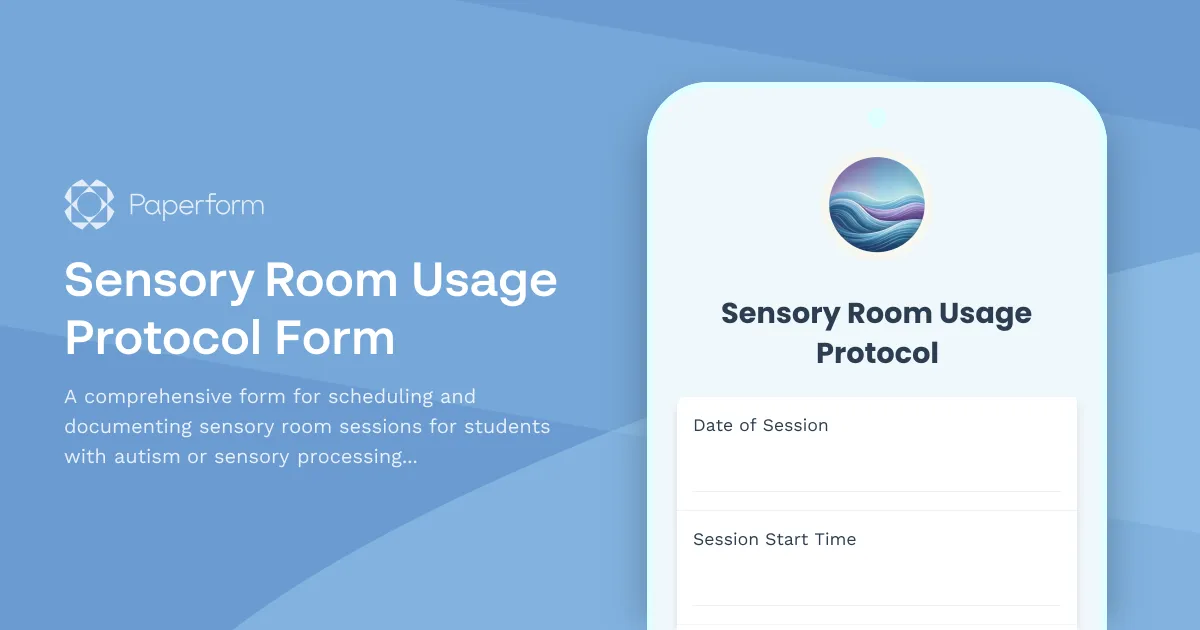
Streamline Sensory Room Management with Paperform
Managing sensory room access for students with autism and sensory processing disorders requires careful coordination, safety protocols, and detailed documentation. This Sensory Room Usage Protocol Form helps special education teams, occupational therapists, and support staff schedule sessions, track equipment usage, monitor student progress, and maintain critical behavioral data—all in one organized, accessible place.
Why Schools and Special Education Programs Choose This Template
Special education coordinators, inclusion specialists, and therapy teams need a systematic way to document sensory room visits while ensuring student safety and measuring effectiveness. This template creates a complete record of each session, capturing pre-session assessments, equipment used, regulation strategies applied, and post-session observations. Whether you're in a public school district, private special education program, or therapeutic learning center, having structured data collection helps demonstrate program effectiveness and inform IEP goals.
How Paperform Enhances Sensory Room Programs
With Paperform's conditional logic, the form adapts based on student needs—showing relevant equipment checklists, strategy selections, and observation fields specific to each student's sensory profile. The doc-style editor makes it easy to add visual supports, sensory strategy guides, or equipment images that help staff quickly identify the right tools for each session.
Connect your form to Google Sheets or Airtable to build a centralized database of sensory room usage patterns, track individual student progress over time, and generate reports for IEP meetings. Use Stepper workflows to automatically notify occupational therapists when a student shows concerning patterns, alert maintenance staff when equipment needs inspection, or compile weekly summaries for special education coordinators.
For programs requiring documented consent and safety acknowledgments, combine this form with Papersign to collect required signatures from parents, staff, or administrators before students begin using sensory room supports.
Built for Educators, Therapists, and Support Teams
This template serves K-12 schools, autism centers, therapeutic day programs, and inclusion support teams who understand that effective sensory regulation requires both immediate support and long-term data tracking. Paperform gives you a FERPA-compliant, professional solution that respects student privacy while making it easy for busy educators to document critical information during hectic school days.
Start with this template and customize it to match your program's specific equipment, regulation protocols, and data collection needs—no technical skills required.

More templates like this
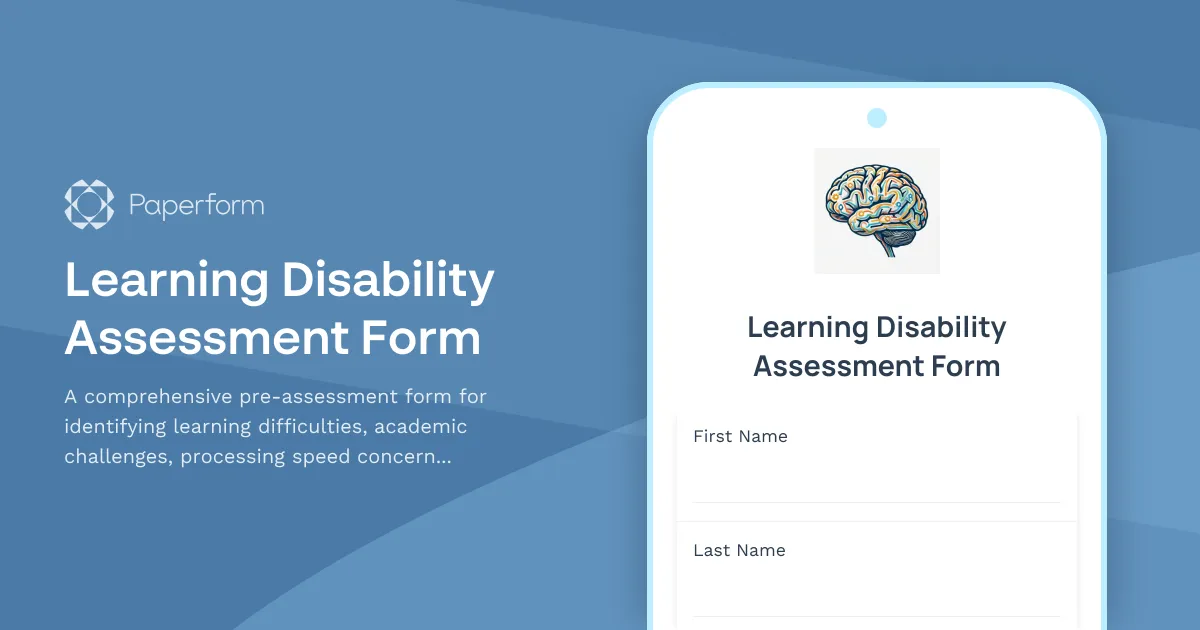
Learning Disability Assessment Form
A comprehensive pre-assessment form for identifying learning difficulties, academic challenges, processing speed concerns, and accommodation needs for students and individuals seeking evaluation.
Assistive Technology Evaluation Request Form
Request an assistive technology evaluation for students with learning barriers. Assess current technology use, identify needs, and connect with AT specialists for personalized support.
Augmentative and Alternative Communication (AAC) Device Trial Request Form
Request a trial of AAC devices for students or individuals with communication needs. Assess current communication methods, device preferences, training requirements, and funding options to support communication goals.
Autism Spectrum Support Services Intake Form
A comprehensive intake form for autism spectrum support services that captures sensory profiles, communication preferences, social skills assessments, and behavior patterns to create personalized support plans.
Trauma-Informed Classroom Support Plan
A comprehensive form for developing individualized trauma-informed support plans for students, including ACE screening, regulation strategies, trusted adult assignment, and mental health referral pathways.
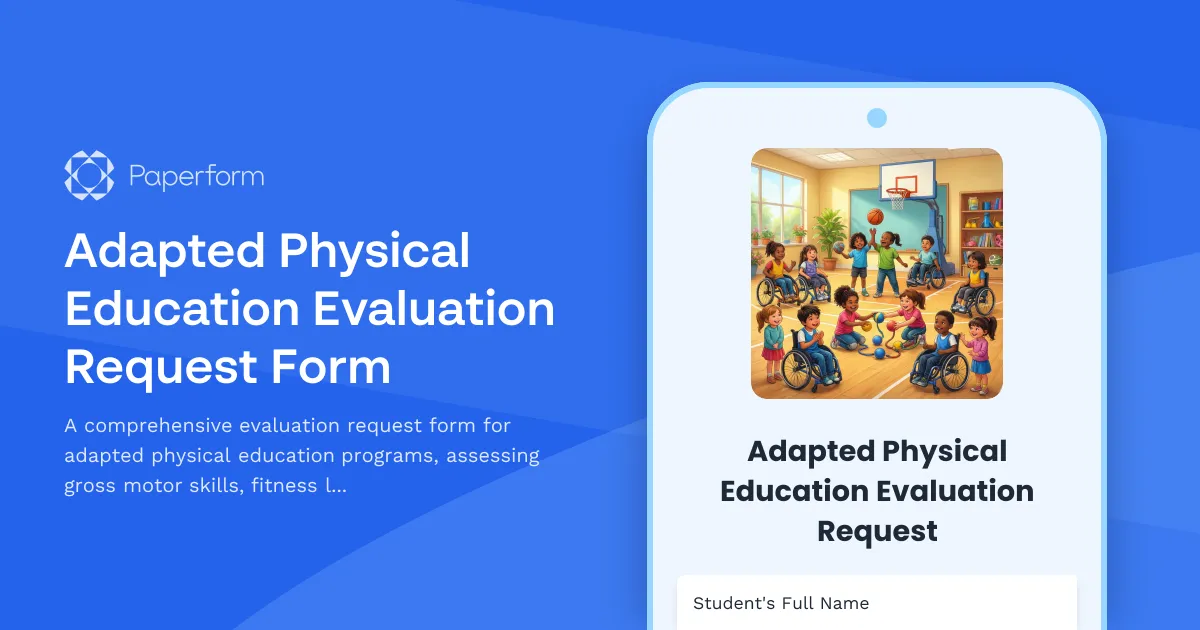
Adapted Physical Education Evaluation Request Form
A comprehensive evaluation request form for adapted physical education programs, assessing gross motor skills, fitness levels, adaptive equipment needs, and inclusive sports participation opportunities for students with diverse abilities.
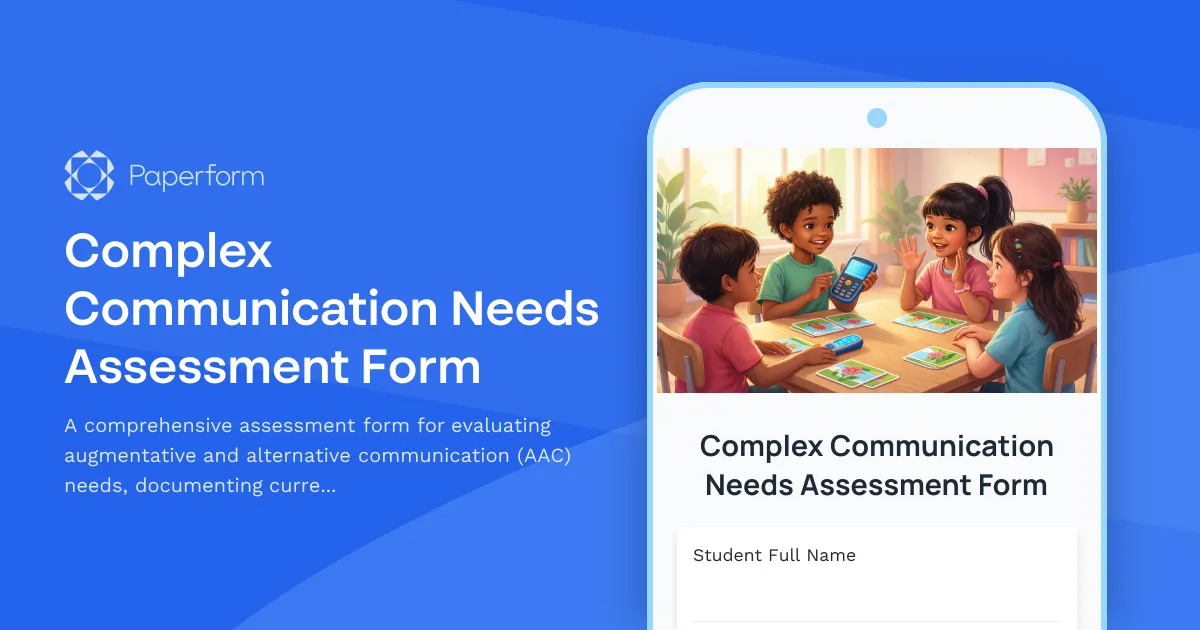
Complex Communication Needs Assessment Form
A comprehensive assessment form for evaluating augmentative and alternative communication (AAC) needs, documenting current communication methods, partner interactions, and device trial recommendations.
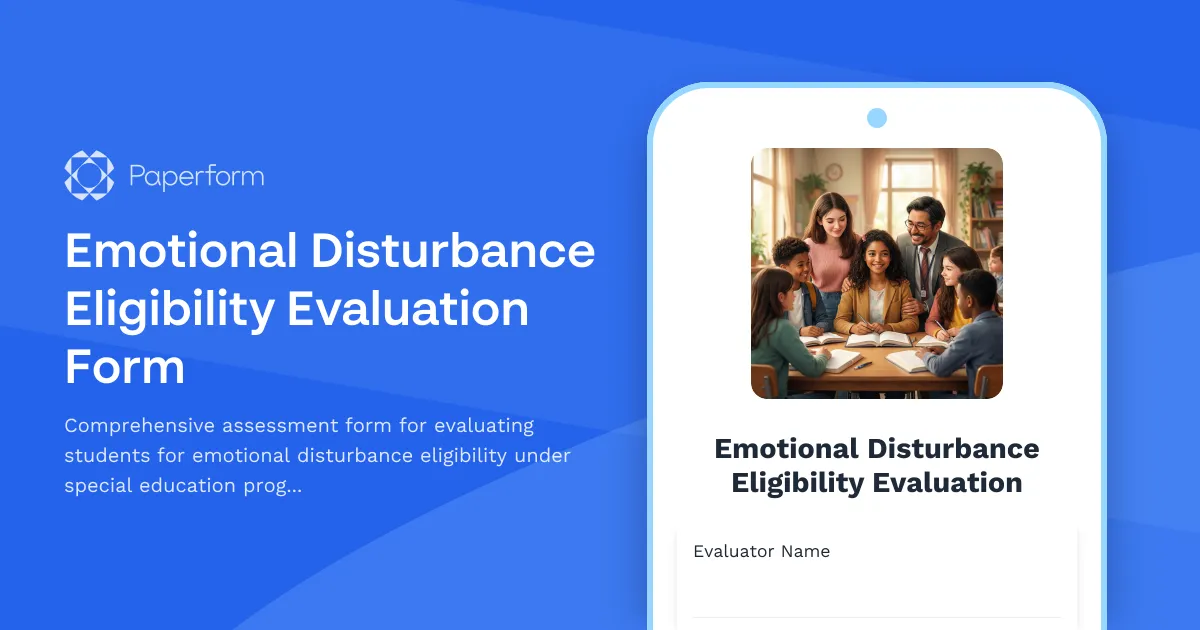
Emotional Disturbance Eligibility Evaluation Form
Comprehensive assessment form for evaluating students for emotional disturbance eligibility under special education programs, documenting behavioral incidents, mental health diagnoses, educational impact, and therapeutic recommendations.
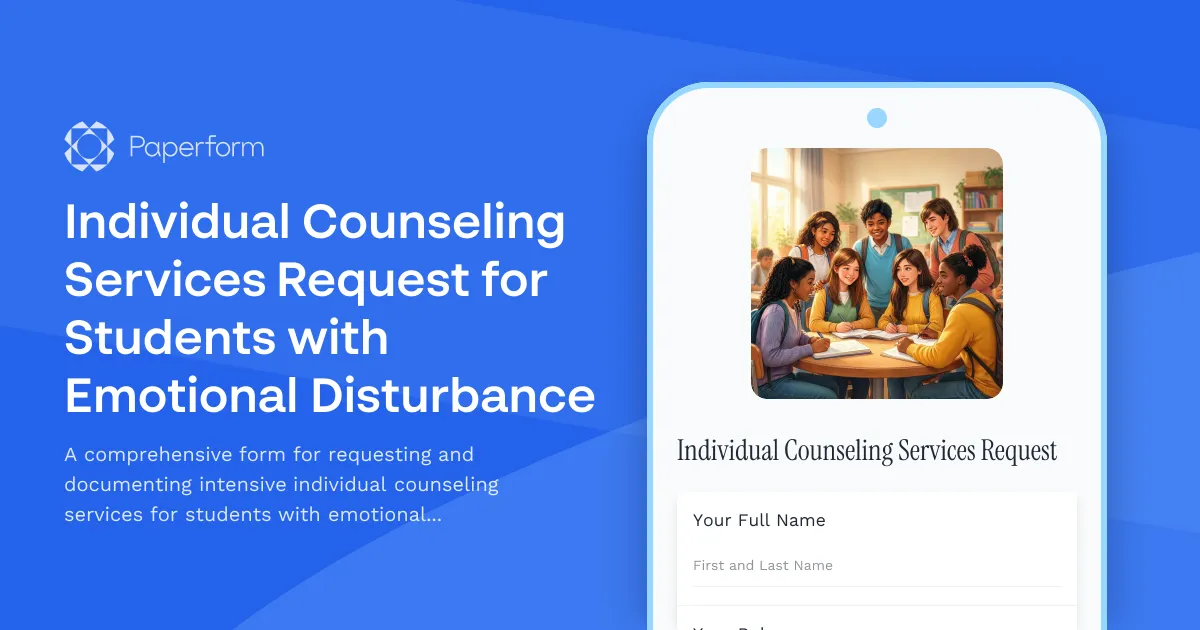
Individual Counseling Services Request for Students with Emotional Disturbance
A comprehensive form for requesting and documenting intensive individual counseling services for students with emotional disturbance, including treatment planning, evidence-based interventions, crisis prevention strategies, and outcome measurement.
Music Therapy Services Request Form
A comprehensive request form for schools and families seeking music therapy services for students with autism or emotional disabilities, including sensory integration support and self-expression goals.
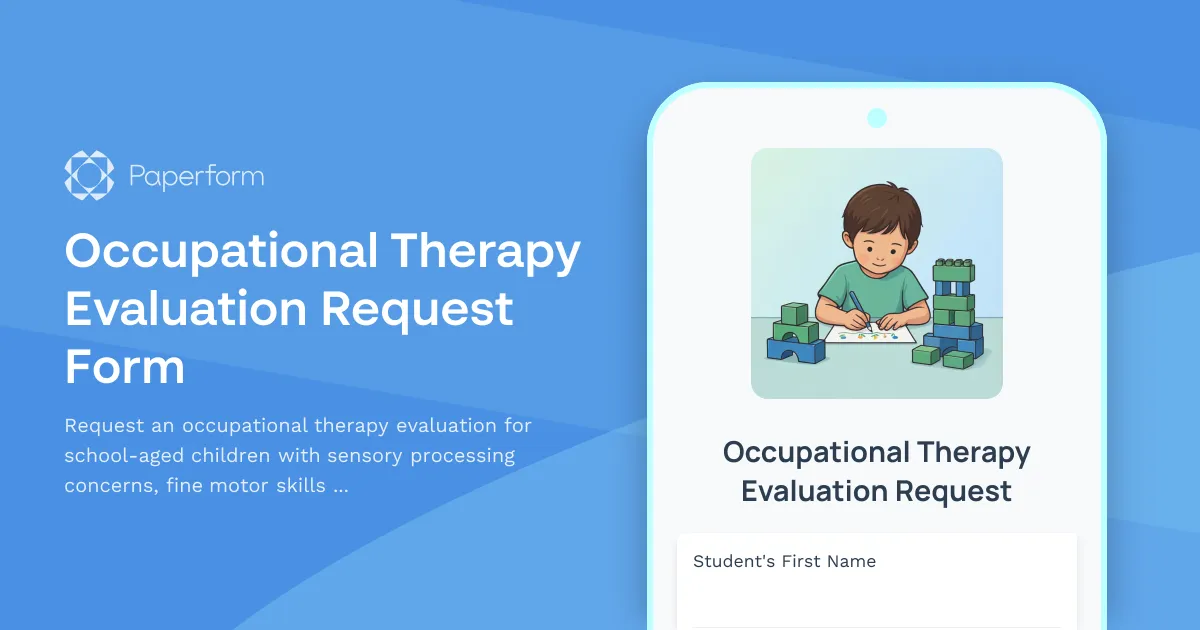
Occupational Therapy Evaluation Request Form
Request an occupational therapy evaluation for school-aged children with sensory processing concerns, fine motor skills challenges, or adaptive equipment needs.
Professional Organizing for Executive Function Challenges Skills Test
A comprehensive assessment designed to evaluate organizing skills and strategies for individuals with executive function challenges, featuring visual cueing techniques, routine anchoring methods, and flexible categorization approaches.