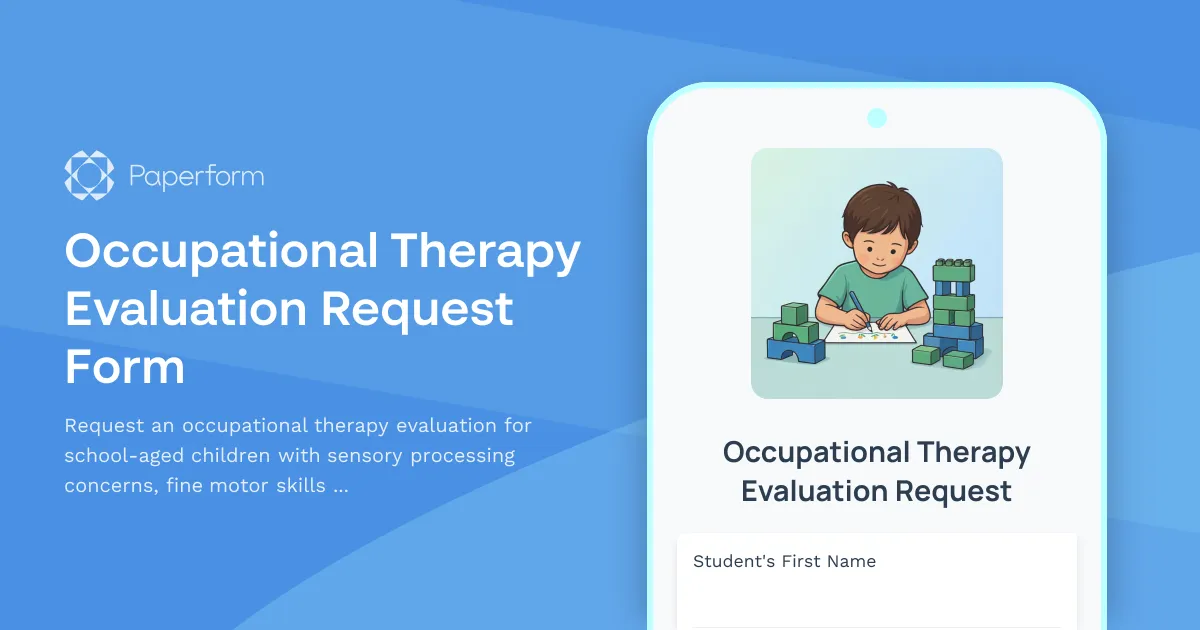
Streamline Occupational Therapy Evaluations with Paperform
When a student is struggling with sensory processing, fine motor skills, or needs adaptive equipment, getting them the right support starts with a thorough evaluation request. This Occupational Therapy Evaluation Request Form is designed specifically for schools, special education coordinators, parents, and school-based therapists who need to efficiently gather critical information before an OT assessment.
Why this form template works for special education programs
Traditional paper-based evaluation requests can be slow, incomplete, and difficult to track. This template replaces messy PDFs and email chains with a clear, conditional intake form that collects everything your OT team needs to prioritize and prepare for assessments—from developmental history and current concerns to specific examples of classroom challenges.
Built with Paperform's doc-style editor, the form feels approachable for parents and educators while maintaining the professional structure required for special education documentation. Conditional logic shows relevant follow-up questions based on the child's specific needs, so you're not overwhelming families with unnecessary fields.
Automate your evaluation workflow with Stepper
Once a request is submitted, you can use Stepper to automatically route the evaluation request to the appropriate OT staff, add the child to your assessment waitlist, send confirmation emails to parents, update your student information system, and trigger the next steps in your special education process—all without manual data entry.
Whether you're a school psychologist, special education director, or occupational therapist, this form template helps you move from referral to evaluation faster, with better documentation and less administrative burden. Paperform's SOC 2 Type II compliance and secure data handling make it a trusted choice for educational institutions managing sensitive student information.



More templates like this
Assistive Technology Evaluation Request Form
Request an assistive technology evaluation for students with learning barriers. Assess current technology use, identify needs, and connect with AT specialists for personalized support.
Learning Disability Assessment Form
A comprehensive pre-assessment form for identifying learning difficulties, academic challenges, processing speed concerns, and accommodation needs for students and individuals seeking evaluation.
Sensory Room Usage Protocol Form
A comprehensive form for scheduling and documenting sensory room sessions for students with autism or sensory processing disorders, including safety protocols, regulation strategies, and behavioral data collection.
Trauma-Informed Classroom Support Plan
A comprehensive form for developing individualized trauma-informed support plans for students, including ACE screening, regulation strategies, trusted adult assignment, and mental health referral pathways.
Adapted Physical Education Evaluation Request Form
A comprehensive evaluation request form for adapted physical education programs, assessing gross motor skills, fitness levels, adaptive equipment needs, and inclusive sports participation opportunities for students with diverse abilities.
Augmentative and Alternative Communication (AAC) Device Trial Request Form
Request a trial of AAC devices for students or individuals with communication needs. Assess current communication methods, device preferences, training requirements, and funding options to support communication goals.
Autism Spectrum Support Services Intake Form
A comprehensive intake form for autism spectrum support services that captures sensory profiles, communication preferences, social skills assessments, and behavior patterns to create personalized support plans.
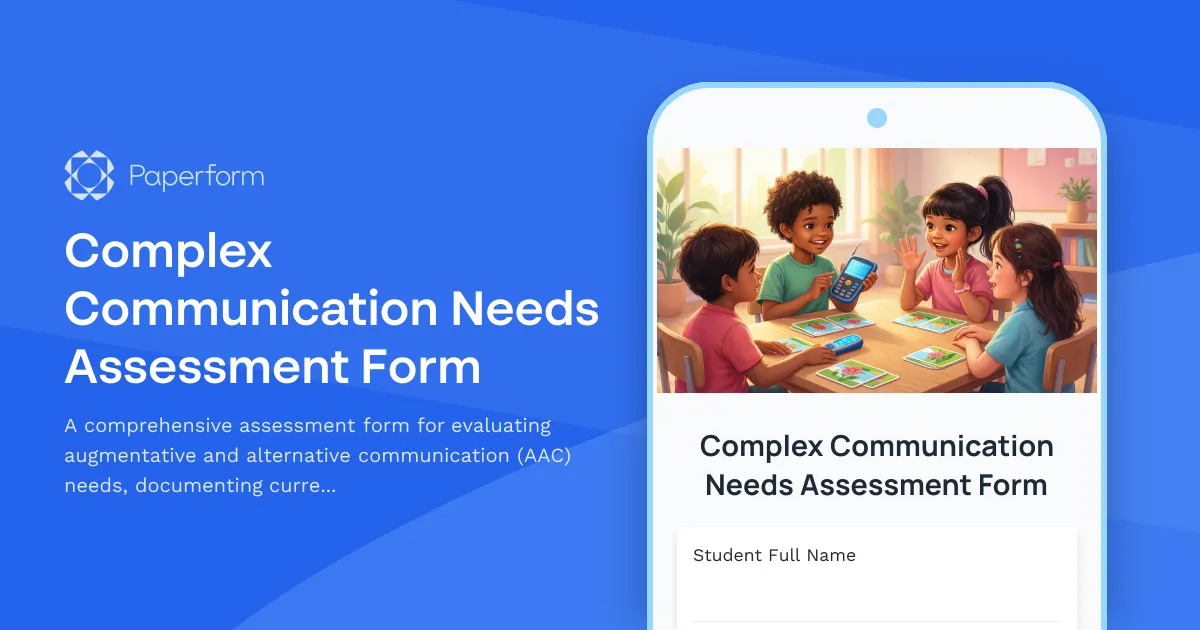
Complex Communication Needs Assessment Form
A comprehensive assessment form for evaluating augmentative and alternative communication (AAC) needs, documenting current communication methods, partner interactions, and device trial recommendations.
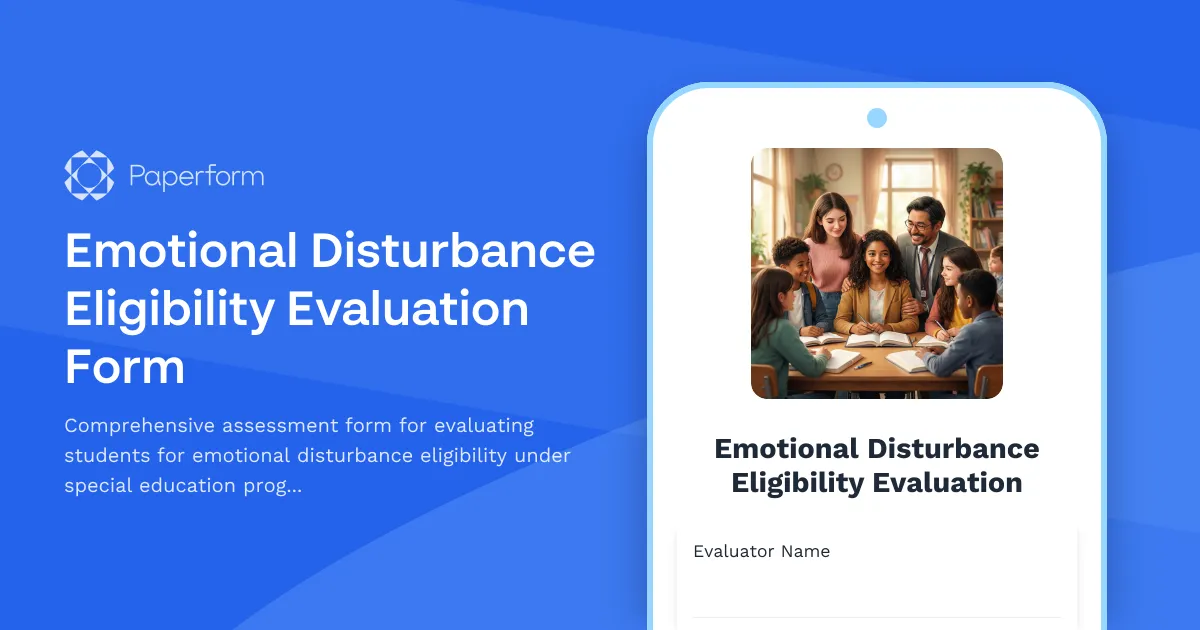
Emotional Disturbance Eligibility Evaluation Form
Comprehensive assessment form for evaluating students for emotional disturbance eligibility under special education programs, documenting behavioral incidents, mental health diagnoses, educational impact, and therapeutic recommendations.
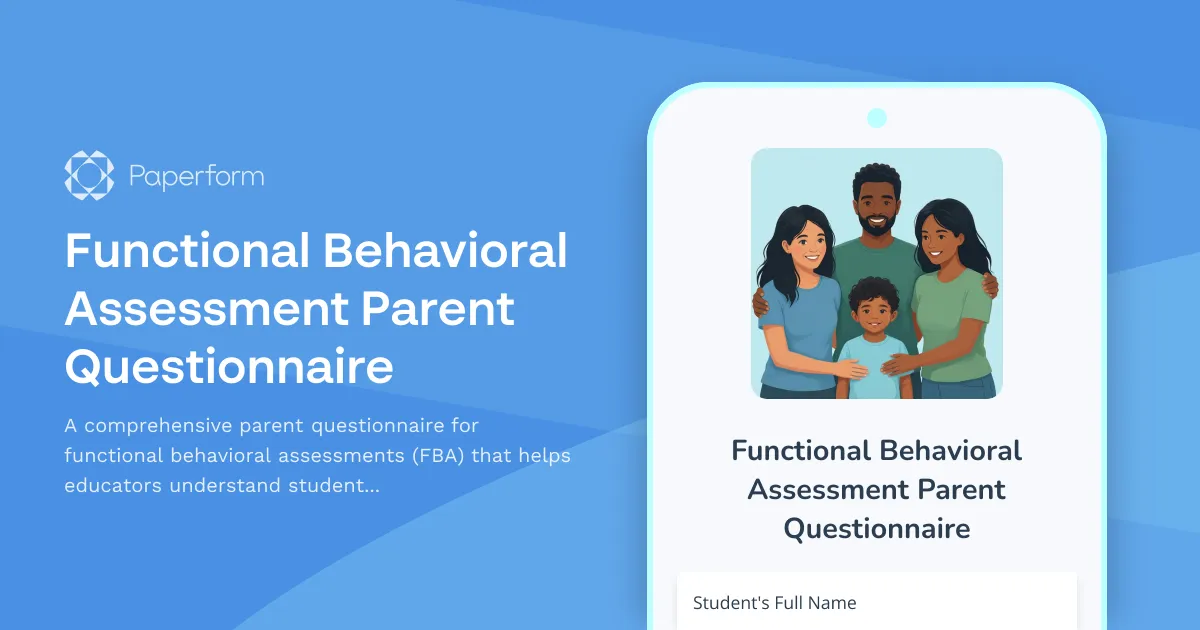
Functional Behavioral Assessment Parent Questionnaire
A comprehensive parent questionnaire for functional behavioral assessments (FBA) that helps educators understand student behavior patterns, environmental triggers, reinforcement factors, and communication methods to develop effective behavioral intervention plans.
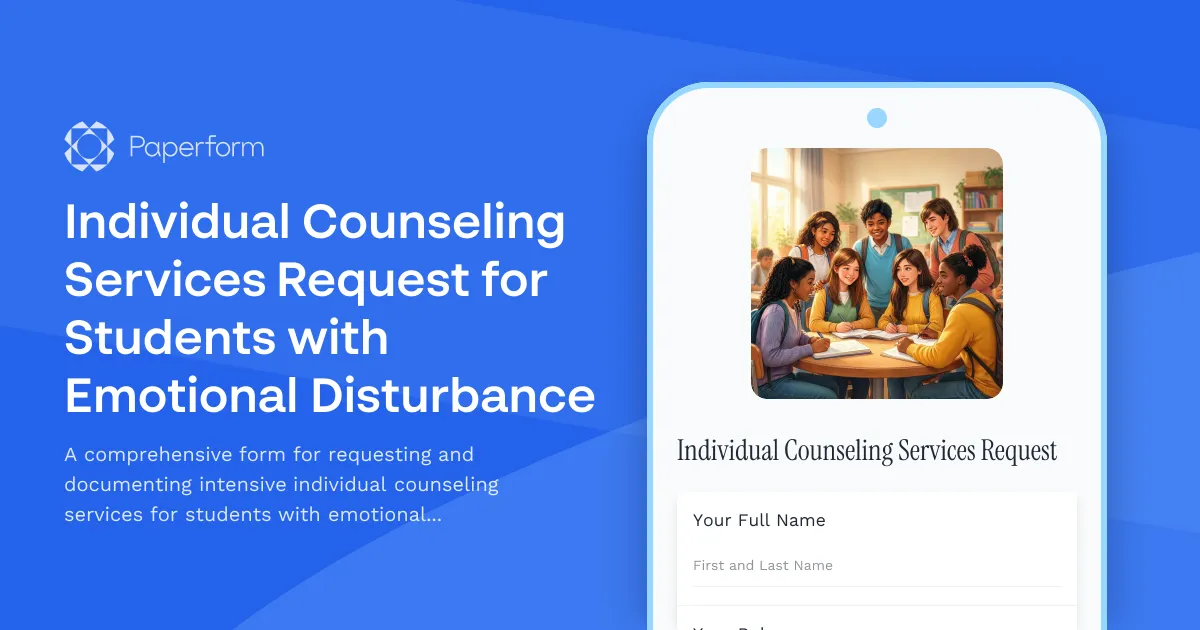
Individual Counseling Services Request for Students with Emotional Disturbance
A comprehensive form for requesting and documenting intensive individual counseling services for students with emotional disturbance, including treatment planning, evidence-based interventions, crisis prevention strategies, and outcome measurement.
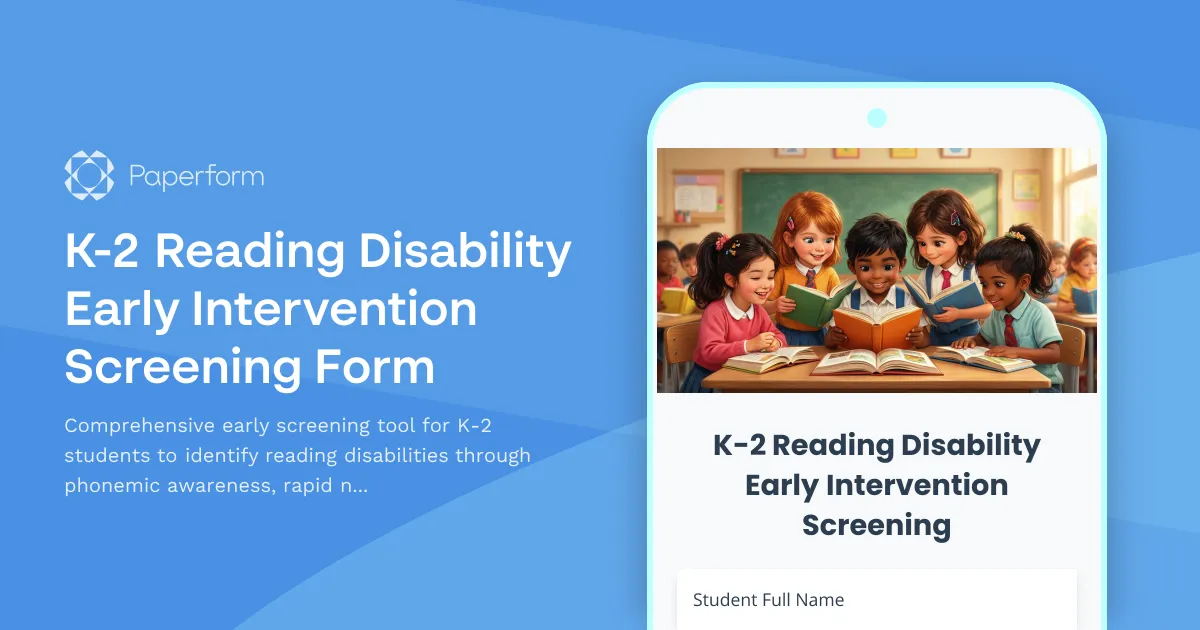
K-2 Reading Disability Early Intervention Screening Form
Comprehensive early screening tool for K-2 students to identify reading disabilities through phonemic awareness, rapid naming, and letter knowledge assessments with tiered support recommendations.