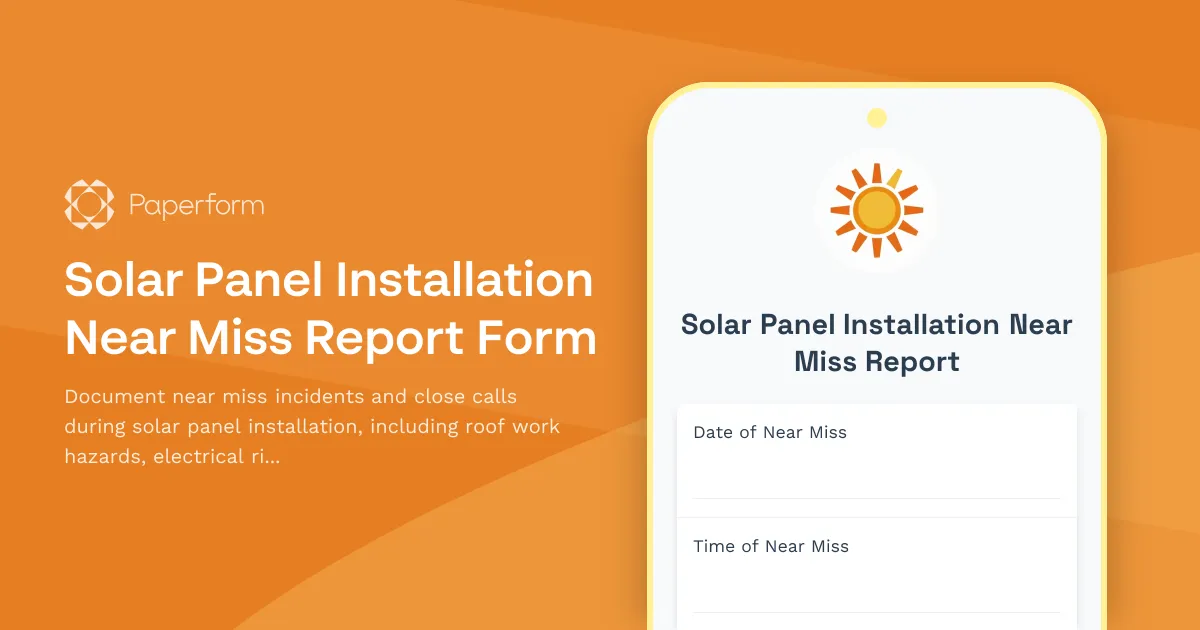
Solar Panel Installation Near Miss Report Form
Solar panel installation involves working at height, electrical systems, and complex roof structures—all environments where near misses can quickly escalate into serious incidents. This Solar Panel Installation Near Miss Report Form helps solar installation companies, contractors, and safety managers document close calls before they become accidents.
Why near miss reporting matters in solar installation
Every near miss is an opportunity to identify hazards, refine safety protocols, and protect your installation crew. Whether it's a slip on a pitched roof, an unexpected electrical arc, or improperly secured equipment, capturing these incidents helps you:
- Prevent future accidents by addressing root causes before someone gets hurt
- Improve training programs based on real-world hazards your teams encounter
- Demonstrate safety commitment to clients, insurers, and regulatory bodies
- Track trends across sites, crews, and installation types
This form is designed specifically for the solar industry, with fields covering roof access, fall protection, electrical hazards, equipment handling, weather conditions, and installer certification verification.
Built for solar contractors, EHS managers, and installation crews
Whether you're a residential solar installer, commercial solar contractor, or utility-scale project manager, this form template gives your team a fast, mobile-friendly way to report incidents from the field. Use it to:
- Log near misses immediately after they occur, while details are fresh
- Capture photos of the hazard, site conditions, or equipment involved
- Record installer certifications (NABCEP, OSHA 30, fall protection) for compliance tracking
- Route reports to safety managers or project leads for follow-up
- Analyze submission data to identify high-risk sites, tasks, or conditions
Because the form is built on Paperform, you can embed it on your company intranet, share it via QR code at job sites, or send direct links in crew messaging channels. Submissions can automatically trigger alerts in Slack, log to Airtable or Google Sheets, or feed into your EHS management system via Stepper workflows.
Automate follow-up and corrective actions
Once a near miss is reported, you need to act fast. Connect this form to Stepper to automatically:
- Notify the safety team and project manager via email or Slack
- Create a corrective action task in Asana, Monday, or your project management tool
- Update your incident tracking database with submission details
- Schedule follow-up safety training or site inspections based on hazard type
By combining this form with workflow automation, you turn every near miss into an actionable data point that strengthens your safety culture and protects your team on every installation.
Trusted by solar professionals who take safety seriously
Paperform is trusted by over 500,000 teams worldwide, is SOC 2 Type II compliant, and offers the security and reliability solar contractors need to manage sensitive safety data. Start using this template today to build a stronger safety program, one report at a time.


More templates like this
Electric Utility Field Crew Near Miss Report
A comprehensive near miss reporting form designed for electric utility field crews to document powerline proximity incidents, arc flash events, and close calls to improve workplace safety.
Asbestos Abatement Near Miss Report
Document near miss incidents during asbestos abatement projects, including containment breaches, exposure monitoring, and EPA notification triggers to ensure safety compliance.
Chemical Plant Process Safety Near Miss Report
A comprehensive near miss reporting form designed for chemical plants with PSM compliance checklists, incident severity assessment, and investigation workflow management.
Hazardous Waste Facility Spill Report
A comprehensive incident report form for documenting hazardous waste spills, capturing material safety data, environmental impact assessments, EPA notification timelines, and cleanup certification details.
HVAC Service Near Miss Report Form
Document near miss incidents during HVAC service calls including refrigerant exposure risks, confined space hazards, and equipment failures to improve workplace safety.
Lock-Out Tag-Out (LOTO) Procedure Form
A comprehensive safety form for documenting equipment lock-out tag-out procedures, energy isolation points, and authorized personnel to ensure safe maintenance and servicing operations.
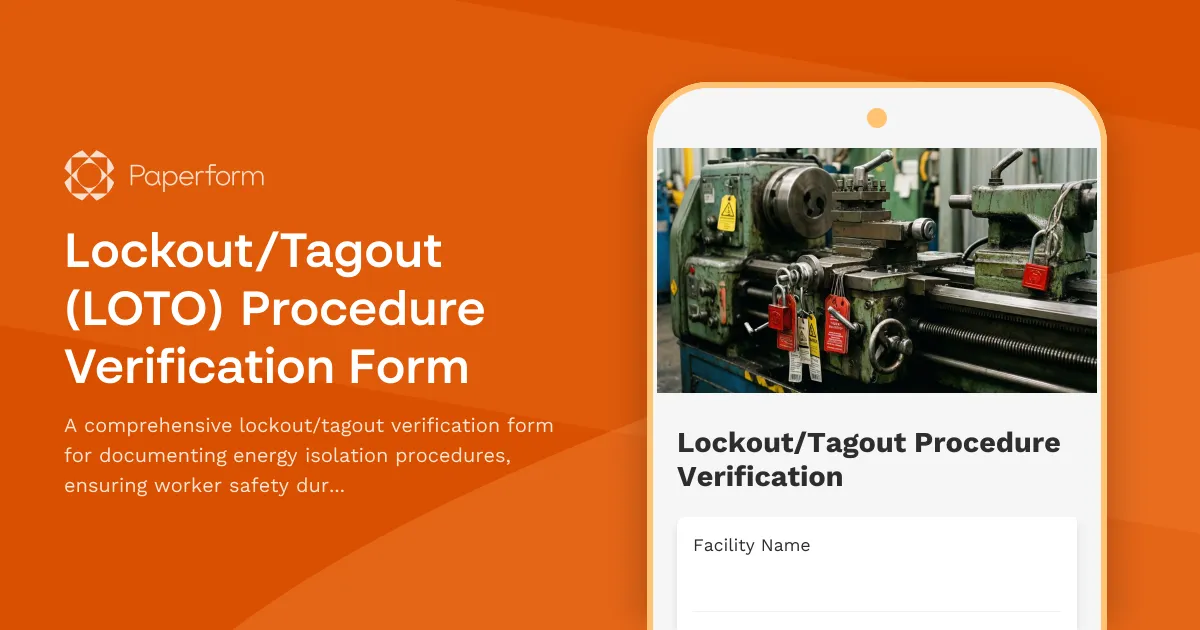
Lockout/Tagout (LOTO) Procedure Verification Form
A comprehensive lockout/tagout verification form for documenting energy isolation procedures, ensuring worker safety during equipment maintenance and servicing operations.
Mining Safety Observation Card
A comprehensive safety observation form for mining operations to report hazards, unsafe conditions, and near-miss incidents with detailed hazard classification and supervisor follow-up.

Oil Rig Evacuation Checklist & Accountability Form
A critical safety form for offshore oil rig emergencies, tracking crew evacuation status, muster station accountability, lifeboat assignments, and well shut-in procedures during emergency situations.
Painting Contractor Near Miss Report
Document near miss incidents, close calls, and safety concerns on painting job sites including ladder incidents, spray equipment issues, and lead paint exposure.
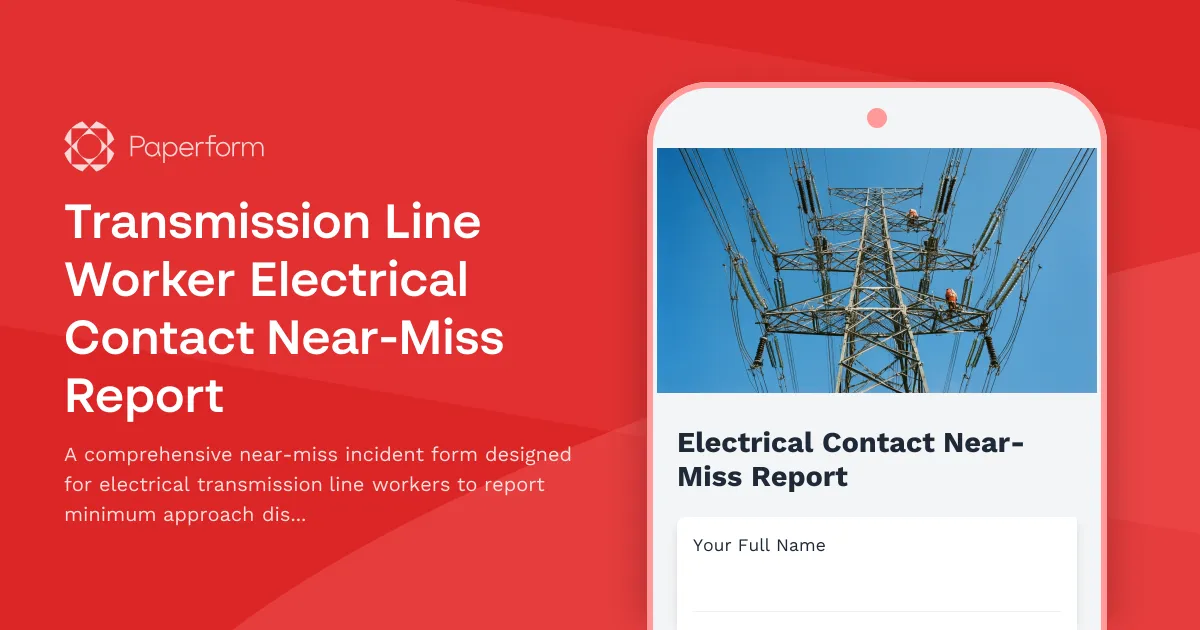
Transmission Line Worker Electrical Contact Near-Miss Report
A comprehensive near-miss incident form designed for electrical transmission line workers to report minimum approach distance violations, assess PPE effectiveness, and document crew retraining needs following close-call electrical contact events.
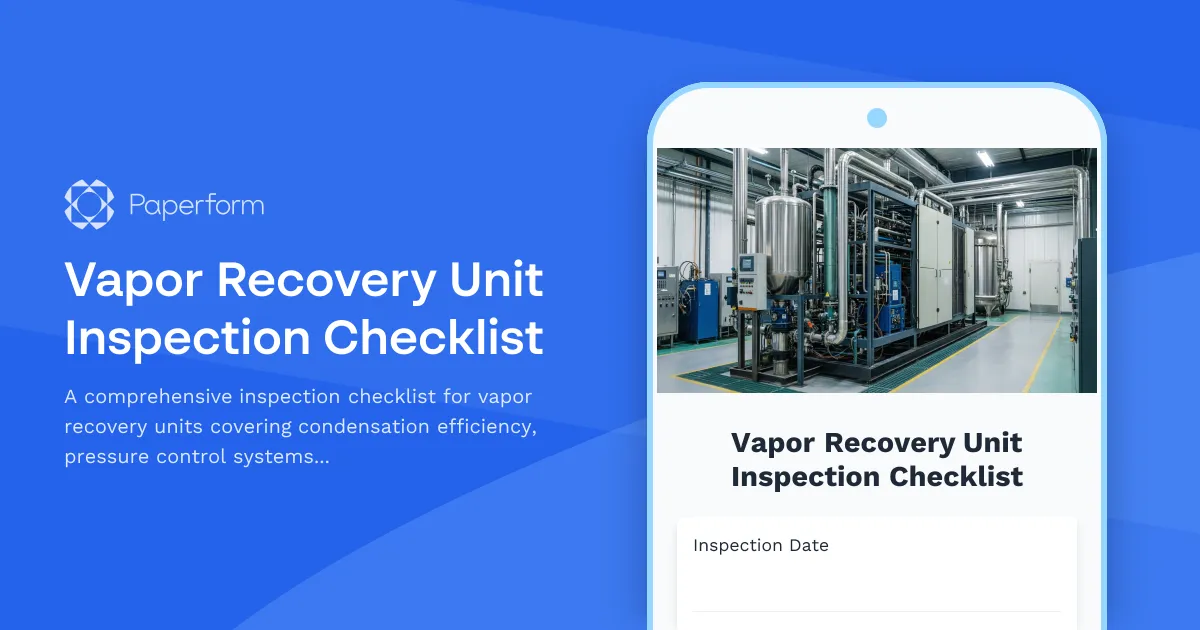
Vapor Recovery Unit Inspection Checklist
A comprehensive inspection checklist for vapor recovery units covering condensation efficiency, pressure control systems, and liquid knockout assessments to ensure optimal VRU performance and regulatory compliance.